And How Your SMB Can Avoid the Trap
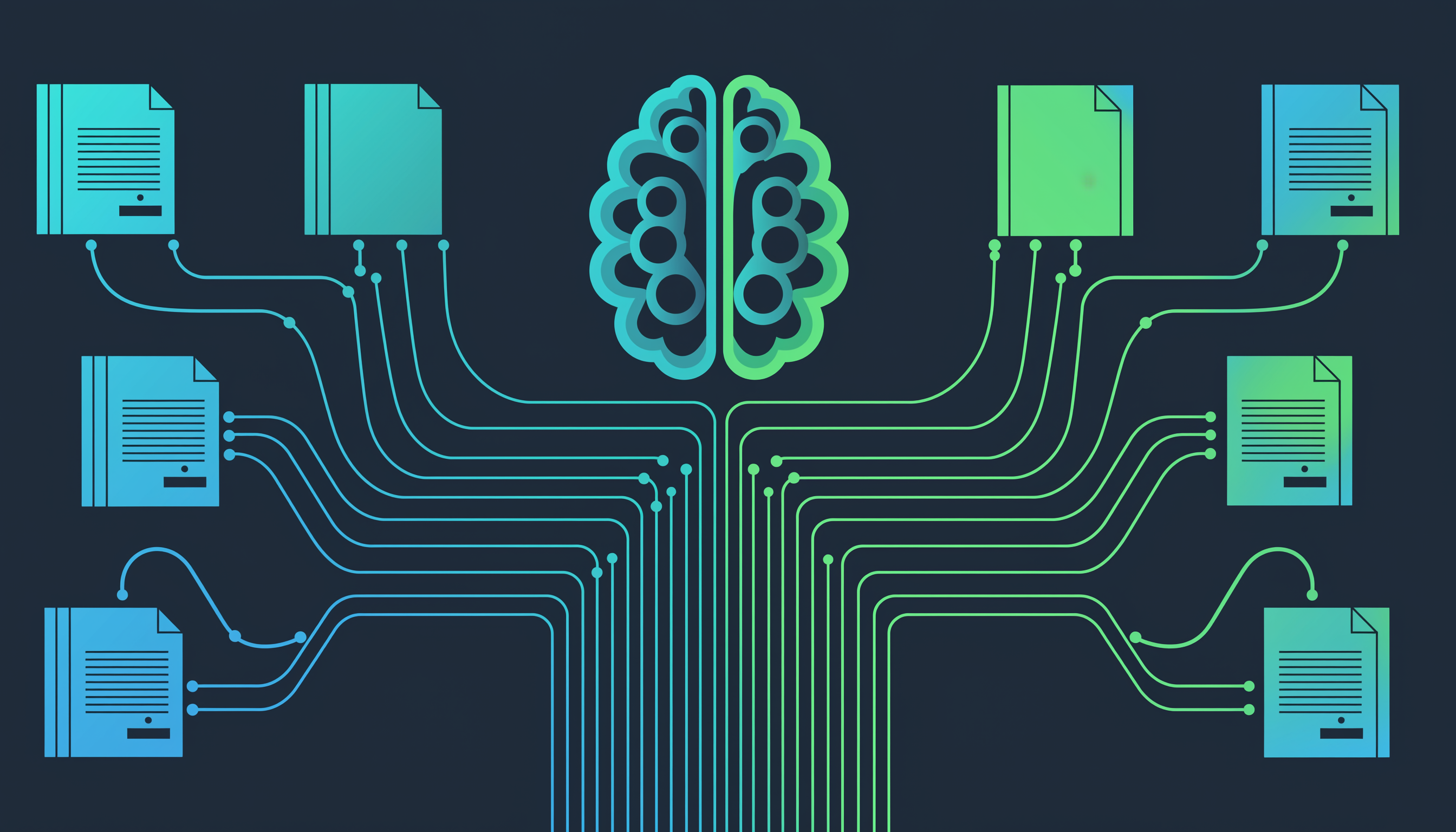
AI-powered knowledge bases are everywhere right now. Vendors promise instant answers, smarter teams, and “AI that knows your business.” For many small and mid-sized businesses, the idea is appealing: upload your documents, connect a chatbot, and suddenly your organization has a single source of truth.
In practice, many of these projects fail — not because the technology is bad, but because the structure is missing.
The real problem isn’t AI — it’s expectations
When an AI knowledge base underperforms, the first instinct is often to blame the model, the vendor, or the data quality. In reality, the most common failure points are more basic:
-
No clear objective for what the system is meant to do
-
Unstructured or inconsistent source documents
-
No agreement on what the AI should and should not answer
-
Assumptions that the system will “figure it out” on its own
AI systems don’t create clarity — they amplify whatever structure (or lack of structure) already exists.
If the inputs are scattered and the expectations are vague, the outputs will be too.
“The data doesn’t have to be perfect” — but it does need to be controlled
You’ll often hear that AI knowledge bases don’t require perfect data. That’s true — to a point.
What they do require is a controlled process:
-
Clear definitions of what content belongs in the system
-
Agreed-upon goals for how the system will be used
-
Guardrails around scope, tone, and accuracy
Without that structure, businesses end up with systems that confidently produce answers that are incomplete, outdated, or misaligned with how the organization actually operates.
Different goals require different knowledge bases
One of the biggest mistakes we see is trying to use a single AI knowledge base for everything.
In reality, the inputs — and expectations — should change based on the goal:
-
Internal operations: SOPs, policies, onboarding documents, internal FAQs
-
Sales and client-facing use: service descriptions, pricing logic, proposals, objection handling
-
Marketing and content support: brand voice, website copy, past campaigns, ICP definitions
Each of these use cases benefits from AI — but only if the system is designed with that specific purpose in mind.
Trying to lump everything together usually leads to generic answers that don’t fully serve anyone.
Structure reduces risk — and support overhead
For SMBs, the biggest risk with AI knowledge systems isn’t cost — it’s misuse.
Without clear boundaries, teams may:
-
Rely on AI answers for decisions it was never meant to support
-
Assume the system validates business accuracy
-
Expect constant tuning and customization without defined limits
A well-structured knowledge base sets expectations early:
-
What the system is designed to answer
-
What it should be used as guidance for — not authority
-
How content updates and changes are handled
This clarity dramatically reduces confusion, rework, and ongoing support needs.
AI works best as an assistant — not a replacement for judgment
The most successful AI knowledge bases aren’t trying to replace people. They’re designed to:
-
Reduce time spent searching for information
-
Provide consistent first-pass answers
-
Support decision-making, not automate it
When positioned correctly, AI becomes a force multiplier — not a source of new risk.
The takeaway
AI knowledge bases can be incredibly powerful for small and mid-sized businesses — but only when they’re built on intentional structure, clear objectives, and well-defined expectations.
The technology is ready. The differentiator is discipline.
Before investing time or money into an AI knowledge system, make sure you can answer three simple questions:
-
What problem is this meant to solve?
-
What content belongs in the system — and what doesn’t?
-
How will we ensure answers stay aligned with how the business actually operates?
Get those right, and AI becomes an asset instead of a distraction.