AI-readable documentation pays off twice: once for your team, once for your AI
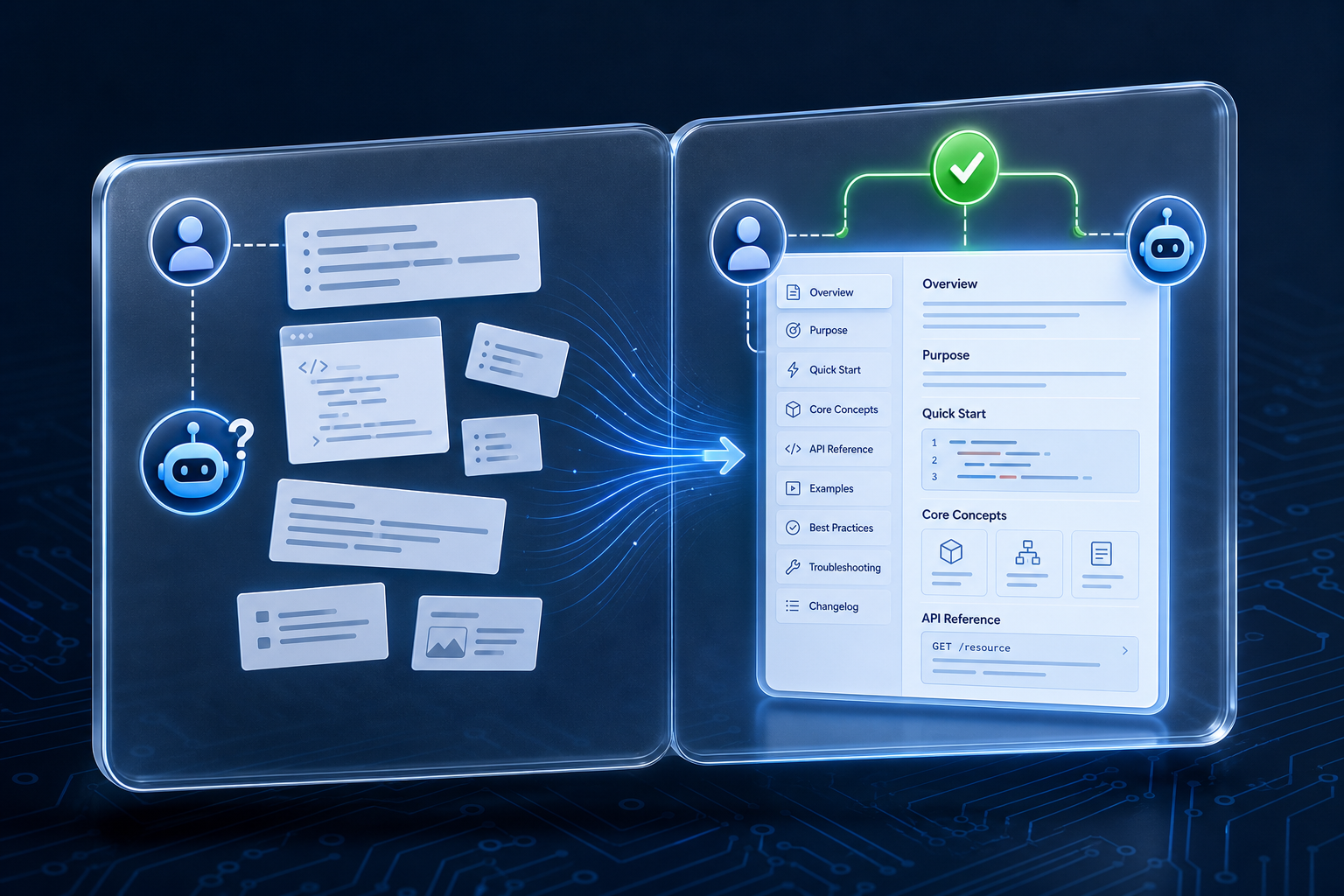
Your team can read a messy document and still get it right. They fill the gaps from memory. An AI tool cannot. It only has the words on the page.
Your team can read a messy document and still get it right. They fill the gaps from memory. An AI tool cannot. It only has the words on the page.
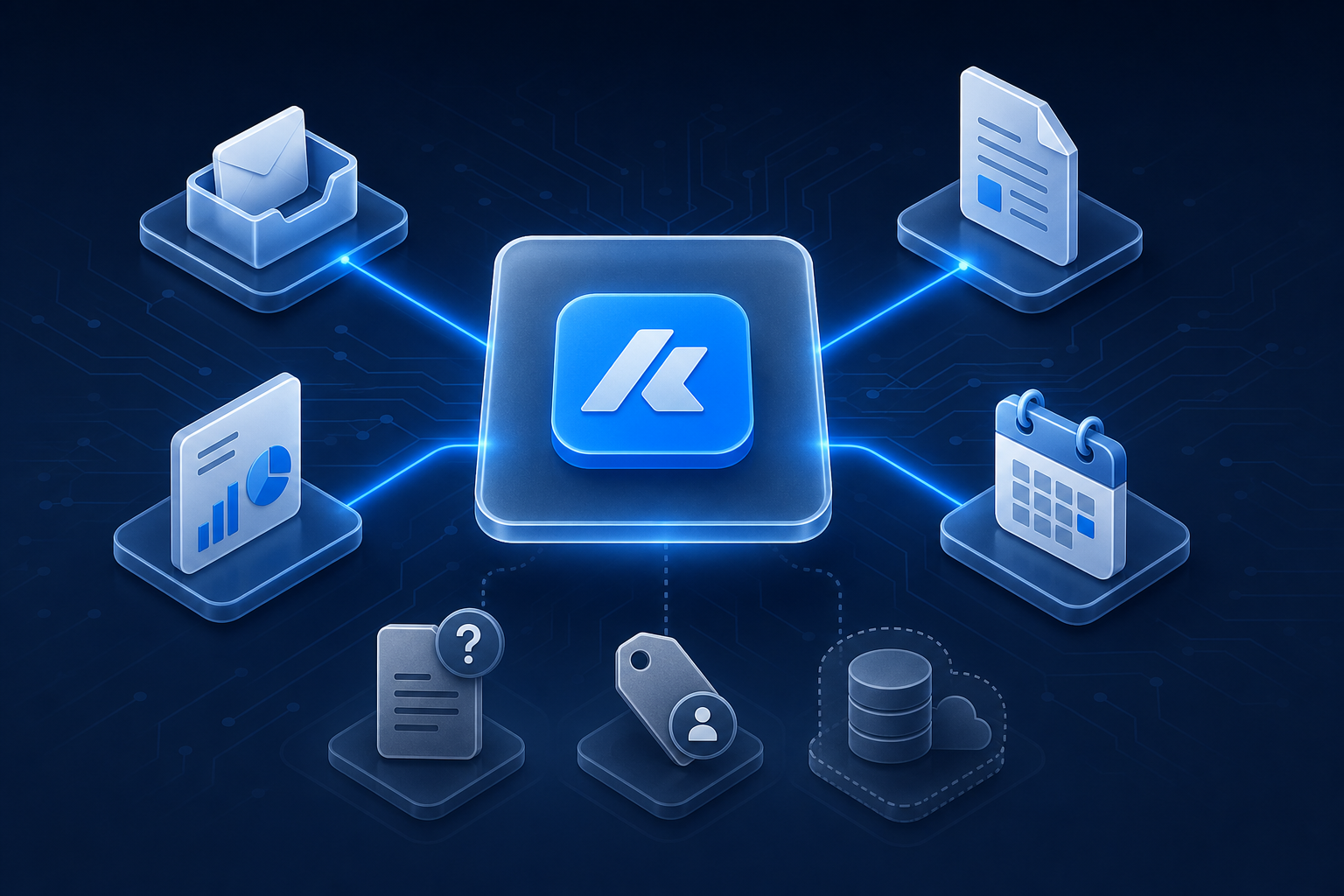
Most critical tools do not arrive with a launch. They creep in. Someone tries an AI tool on a Tuesday to save twenty minutes, it works, and a year later three people cannot do their jobs without it.
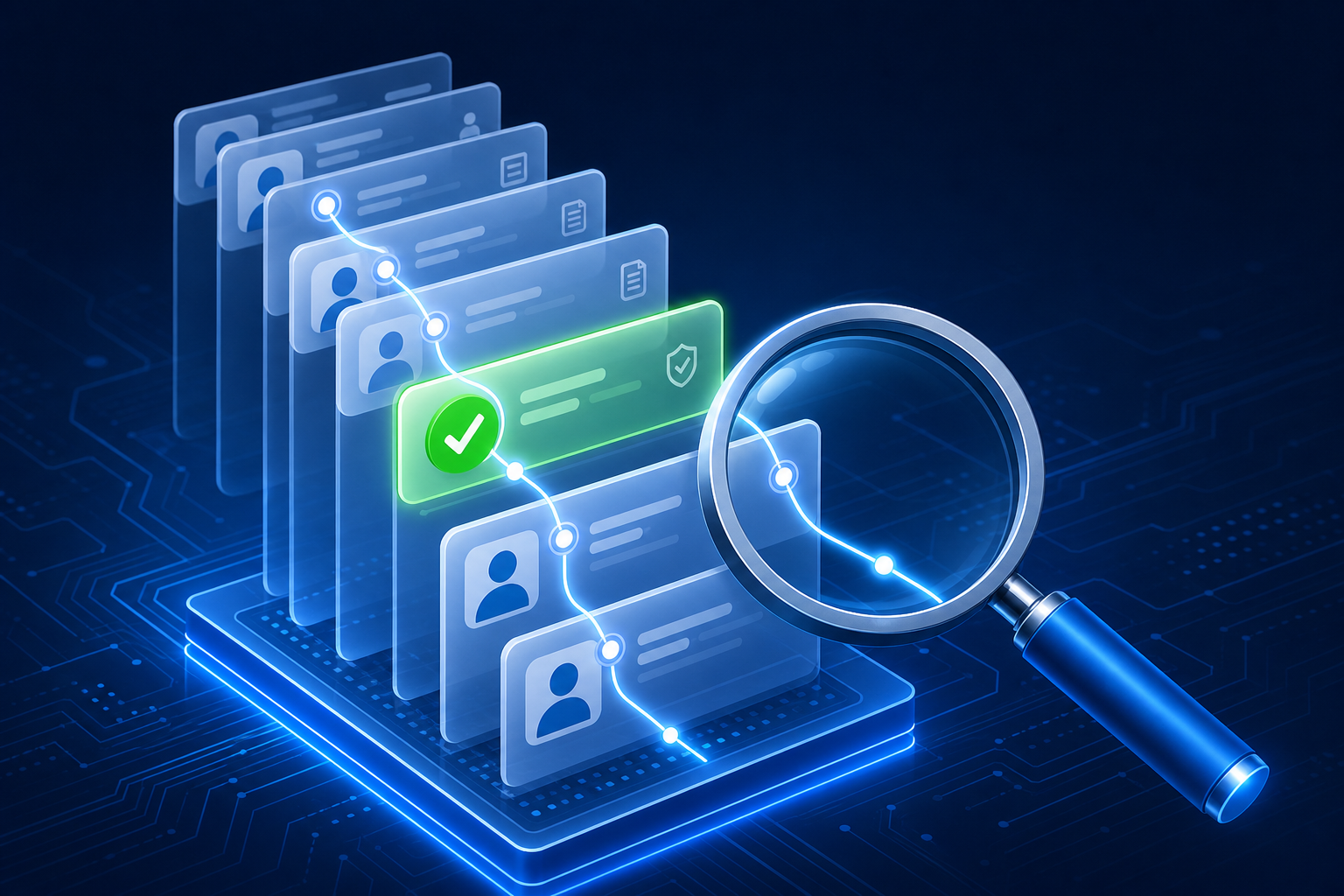
A customer disputes an invoice. You pull the file and find the figure came from an AI draft nobody checked. Now you have a question you cannot answer: who approved this, and on what basis?
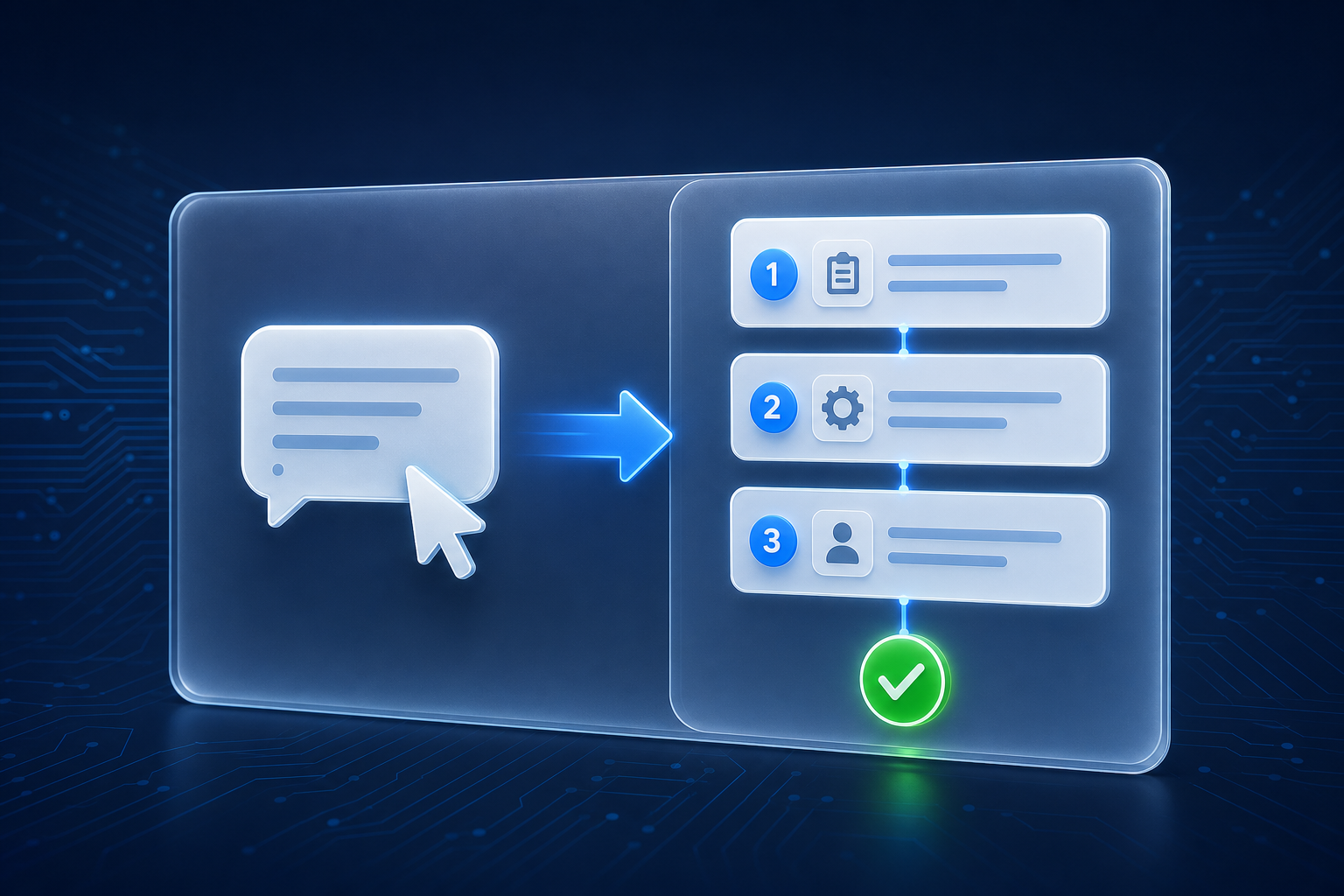
A clever prompt produces one good answer. A procedure produces the same good answer every week, run by anyone on your team.
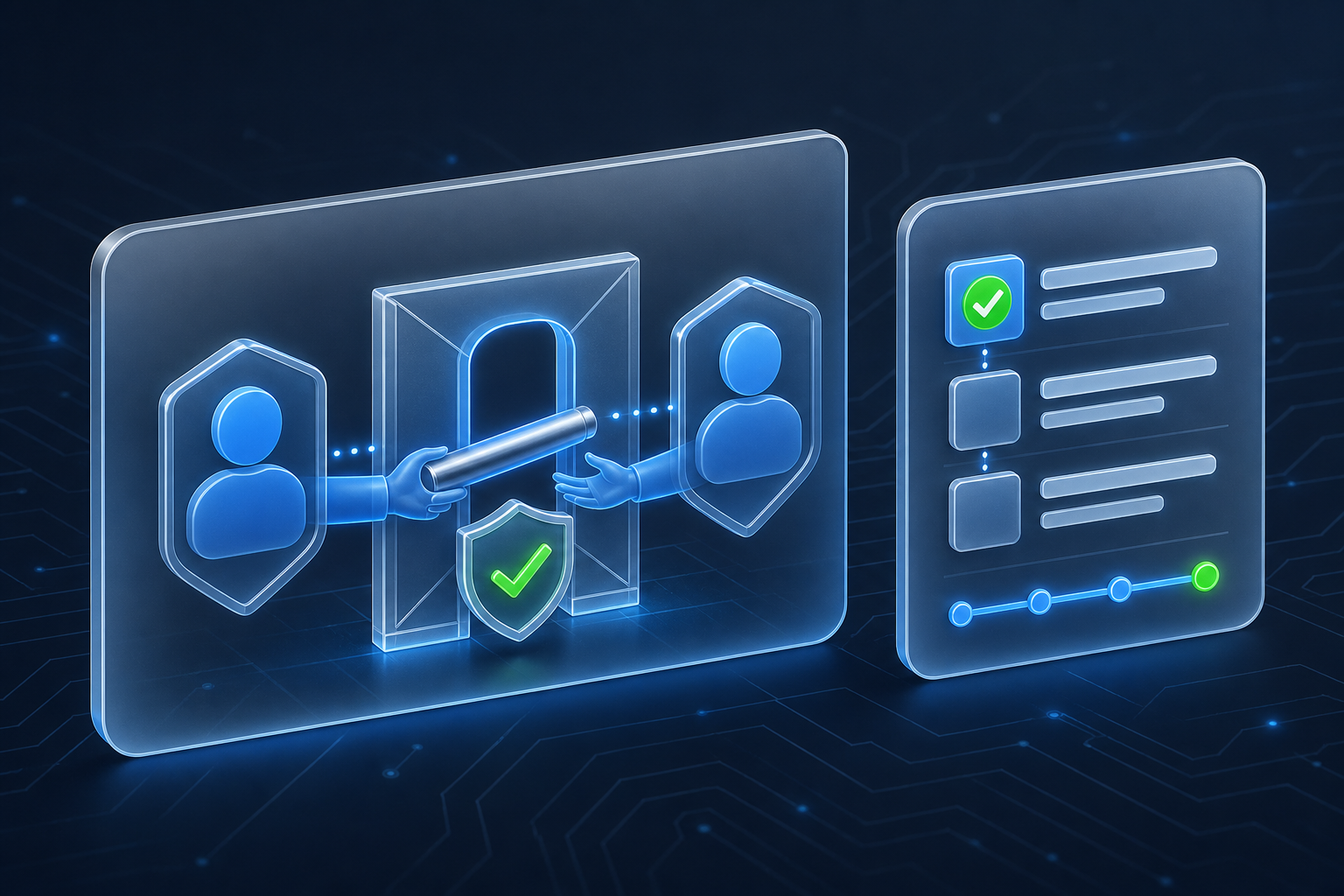
Most AI mistakes do not happen while someone is watching.
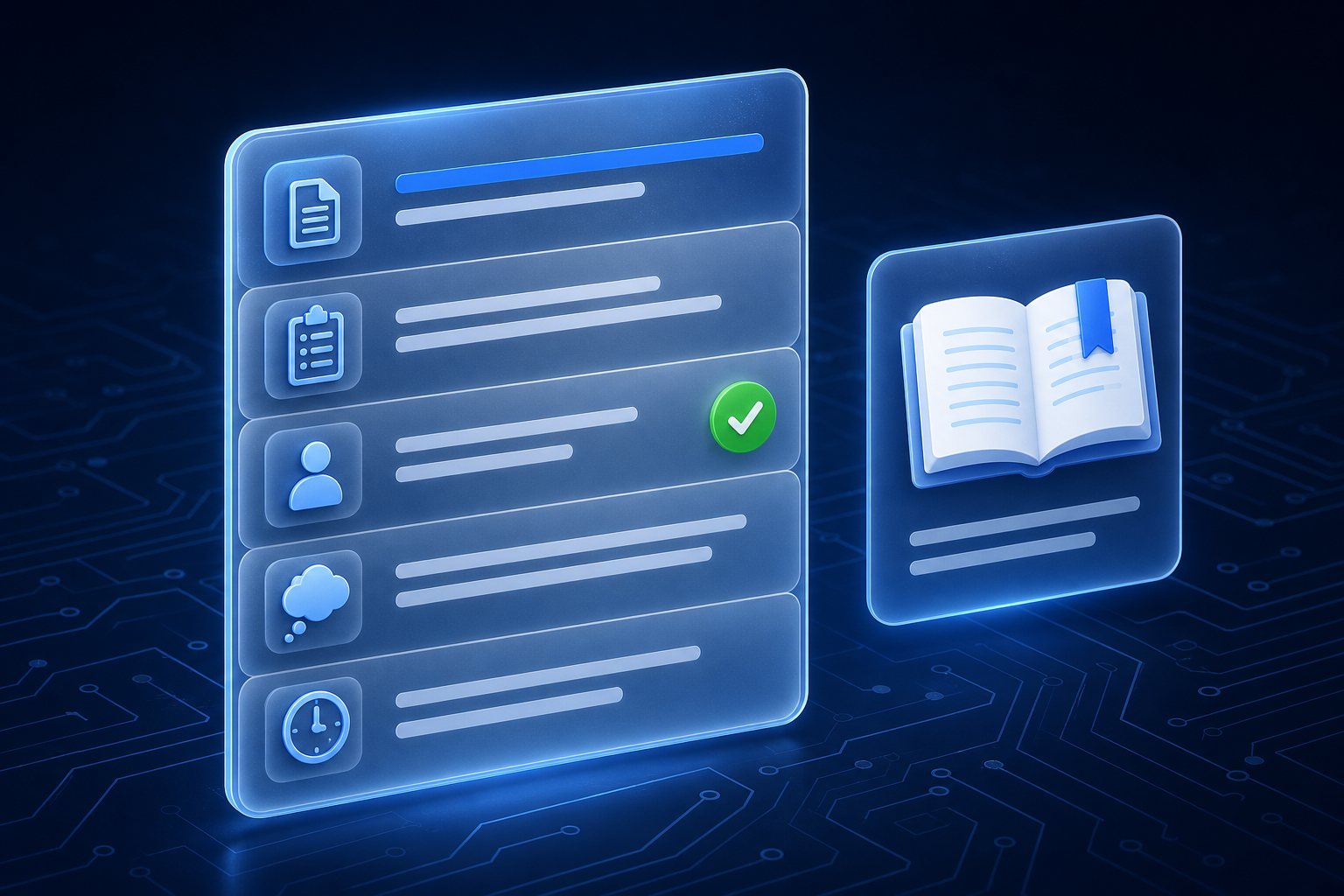
Series: Building an AI-Ready Business — Part 3 of 3 Part 1: Process problem · Part 2: Writing SOPs · Part 3: Decision logs · Series hub
SOPs tell you what to do. They never tell you why you do it that way. That gap is where onboarding stalls, handoffs leak, and AI agents misfire when conditions change. The fix is a decision log.
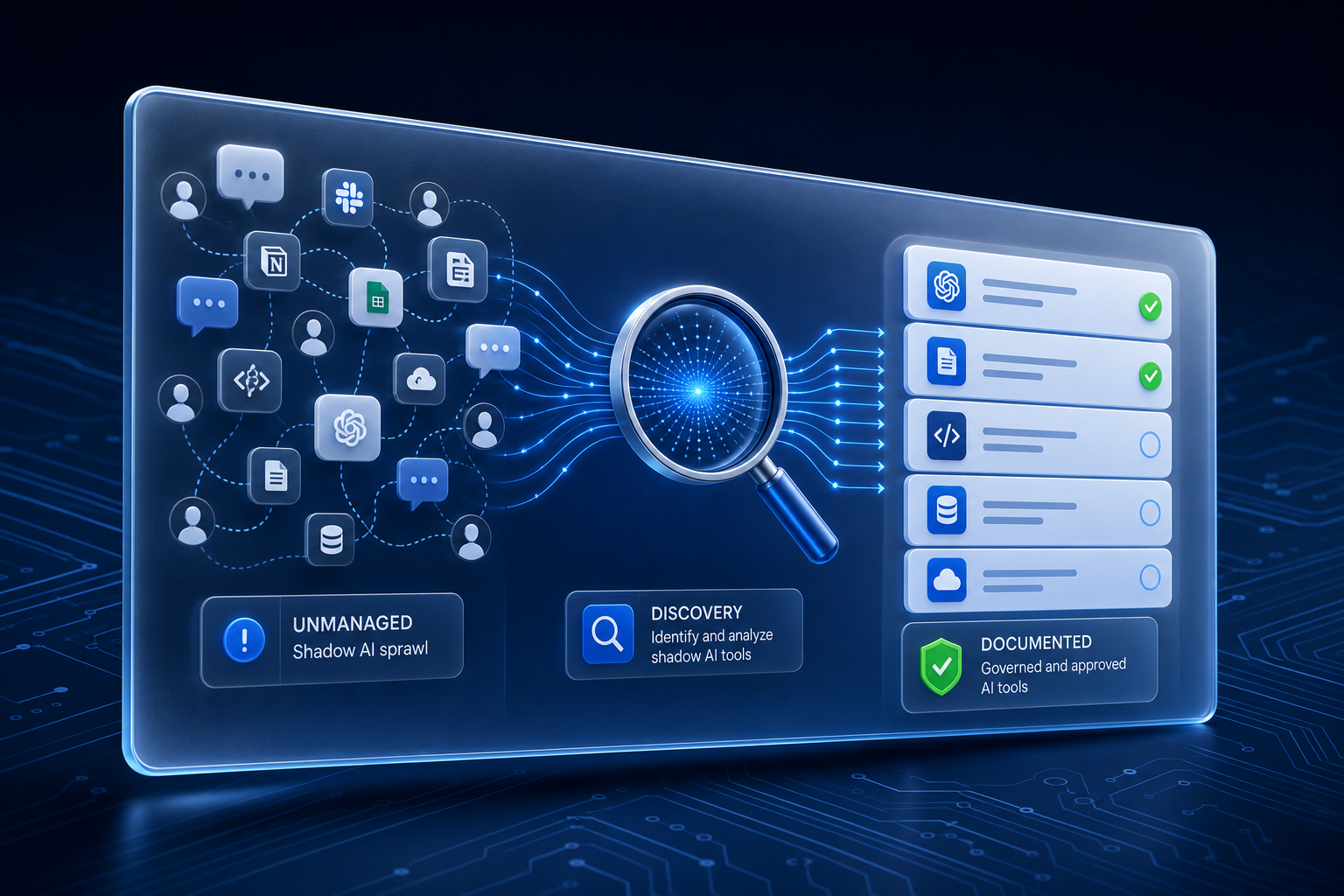
Shadow AI is already in your business. Your team is using ChatGPT to write emails, Claude to summarize documents, and three other tools you have never heard of. None of it is on any inventory.
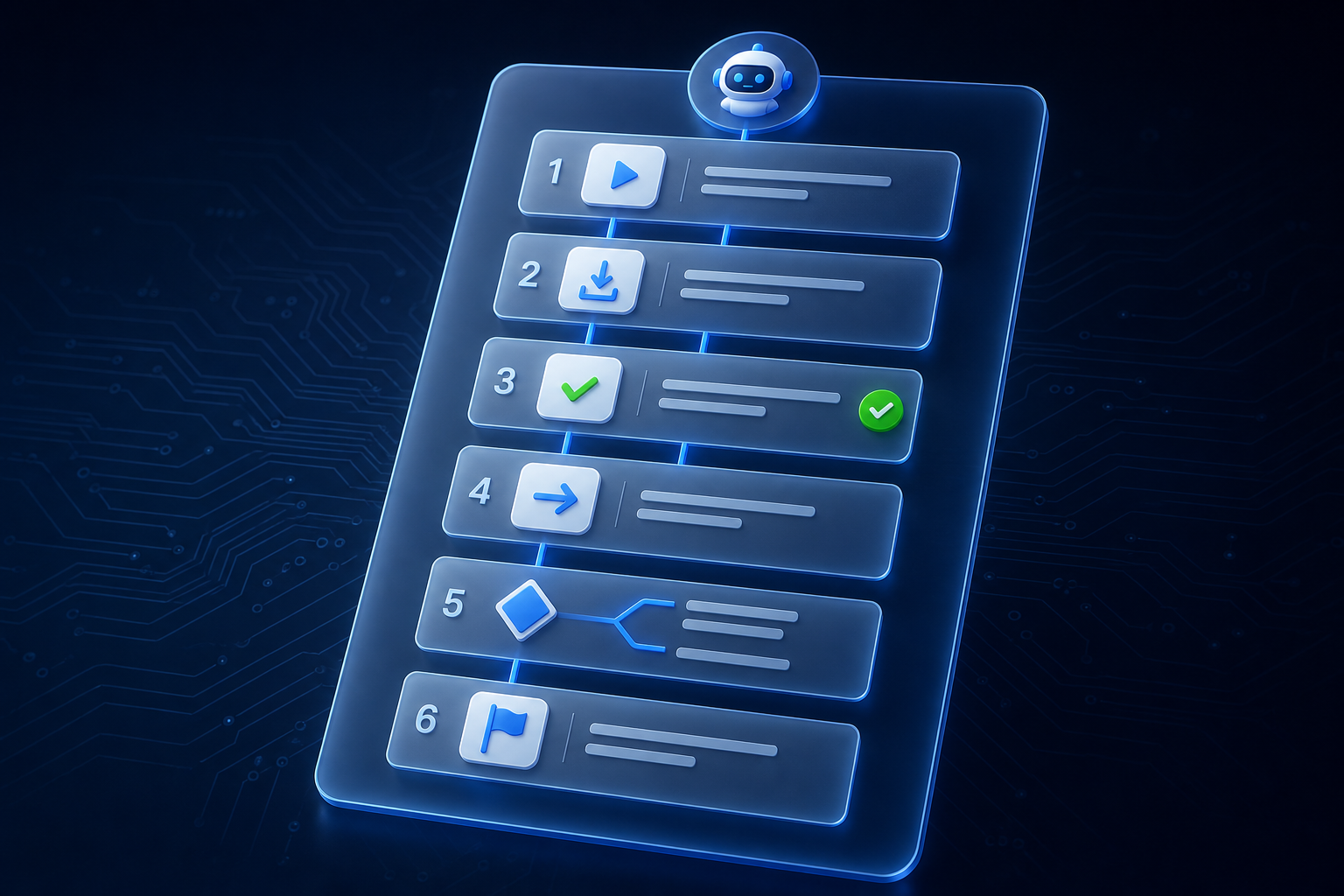
Series: Building an AI-Ready Business — Part 2 of 3 Part 1: Process problem · Part 2: Writing SOPs · Part 3: Decision logs · Series hub
Most teams treat their SOPs as if they are ready to hand to an AI agent. They are not.
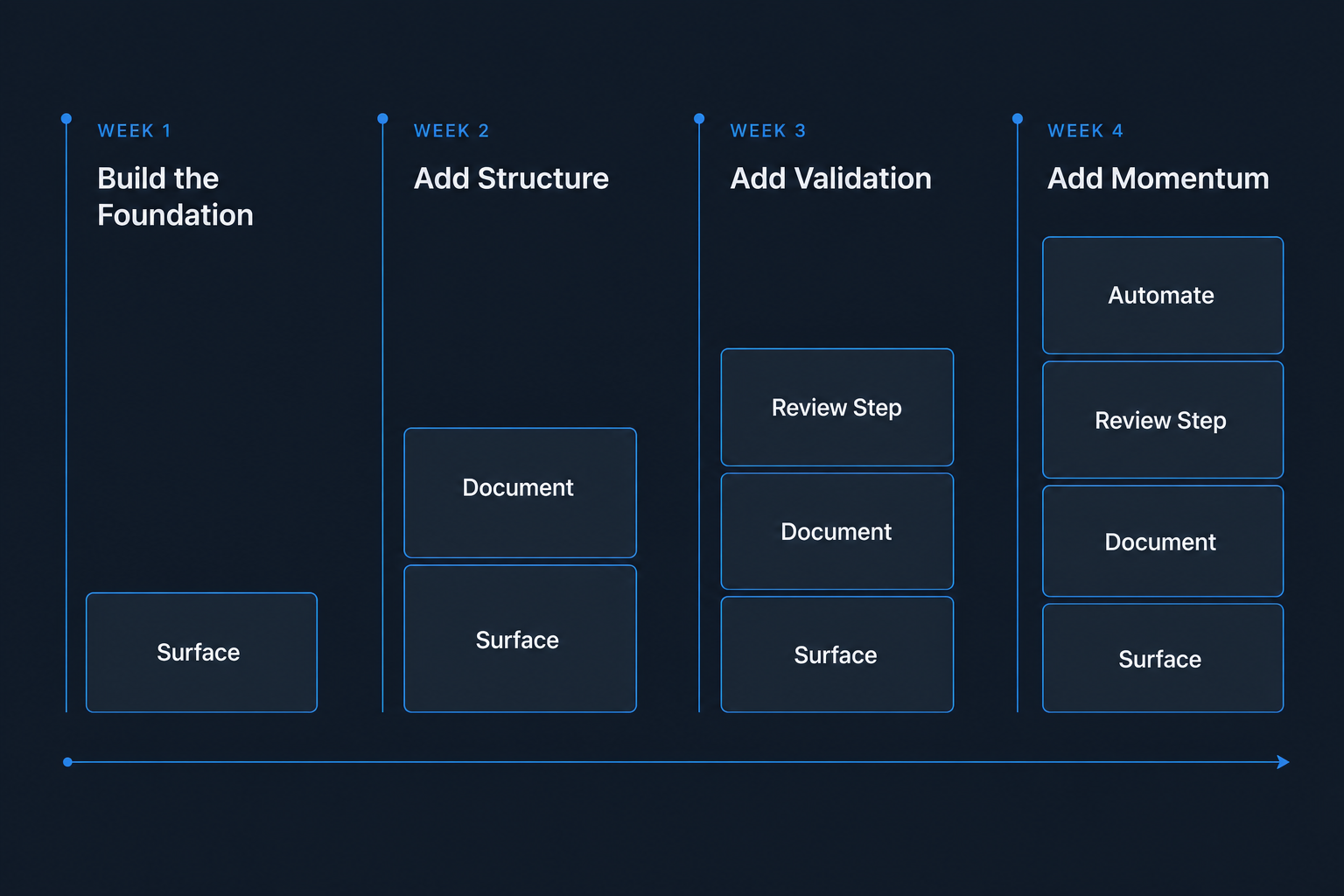
The AI champion sounds like a tools job. New software. New dashboards. New vendor calls. It is not.
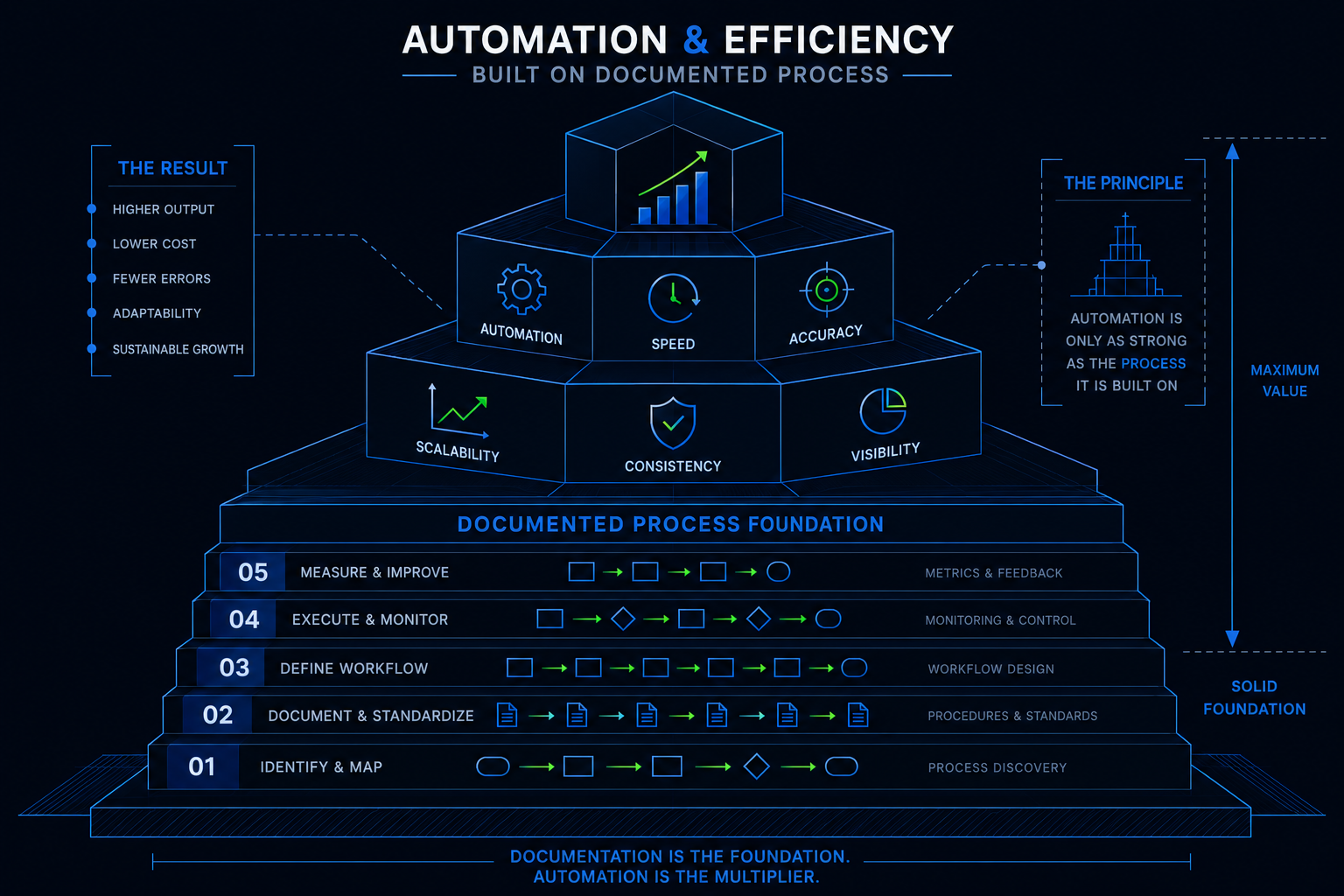
Series: Building an AI-Ready Business — Part 1 of 3 Part 1: Process problem · Part 2: Writing SOPs · Part 3: Decision logs · Series hub
AI is on every SMB owner's agenda right now, and the spend is climbing. What is missing is a quieter conversation about whether the work AI is meant to improve was ever stable enough to improve in the first place.