AI-readable documentation pays off twice: once for your team, once for your AI
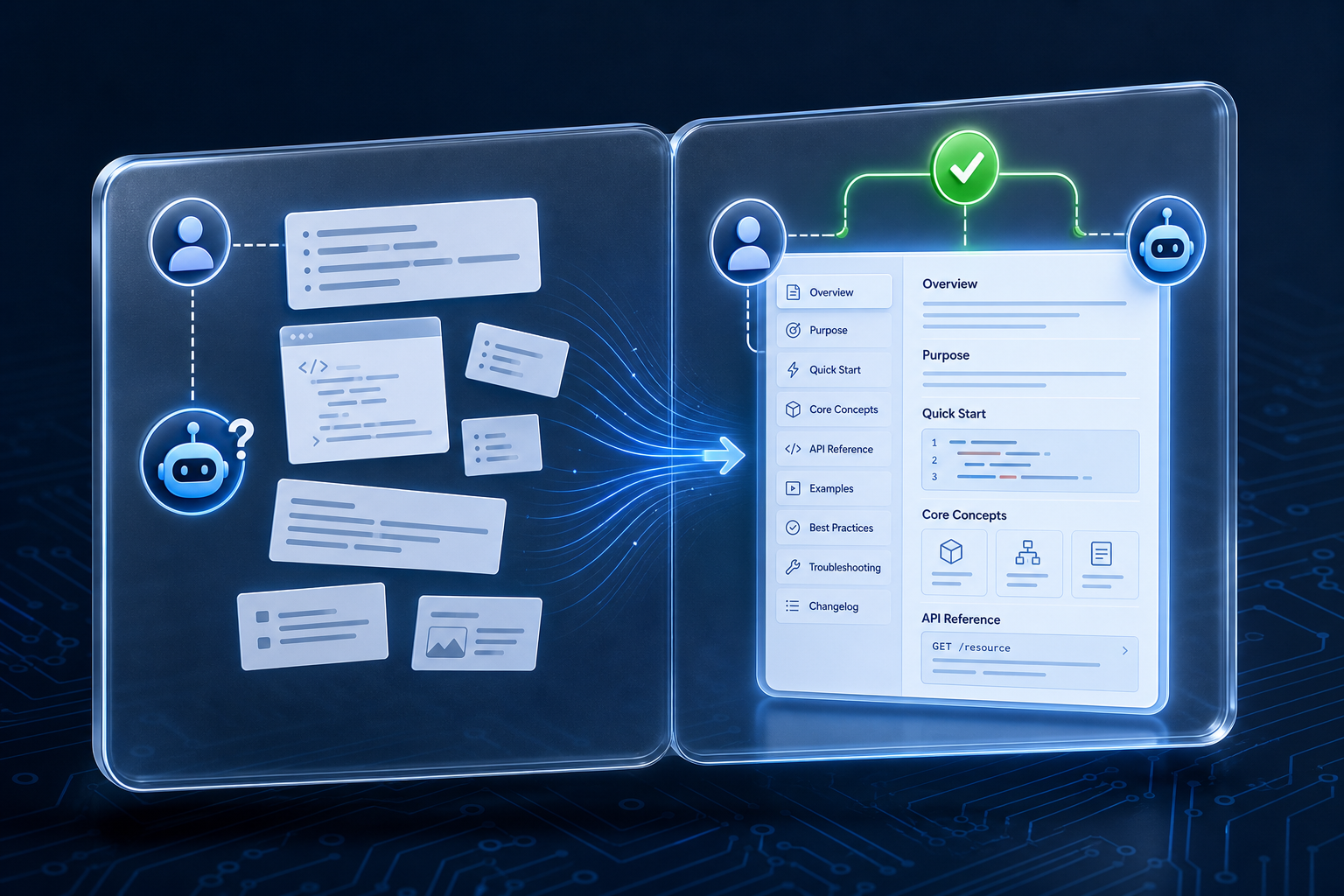
Your team can read a messy document and still get it right. They fill the gaps from memory. An AI tool cannot. It only has the words on the page.
Your team can read a messy document and still get it right. They fill the gaps from memory. An AI tool cannot. It only has the words on the page.

Series: Building an AI-Ready Business — Part 3 of 3 Part 1: Process problem · Part 2: Writing SOPs · Part 3: Decision logs · Series hub
SOPs tell you what to do. They never tell you why you do it that way. That gap is where onboarding stalls, handoffs leak, and AI agents misfire when conditions change. The fix is a decision log.
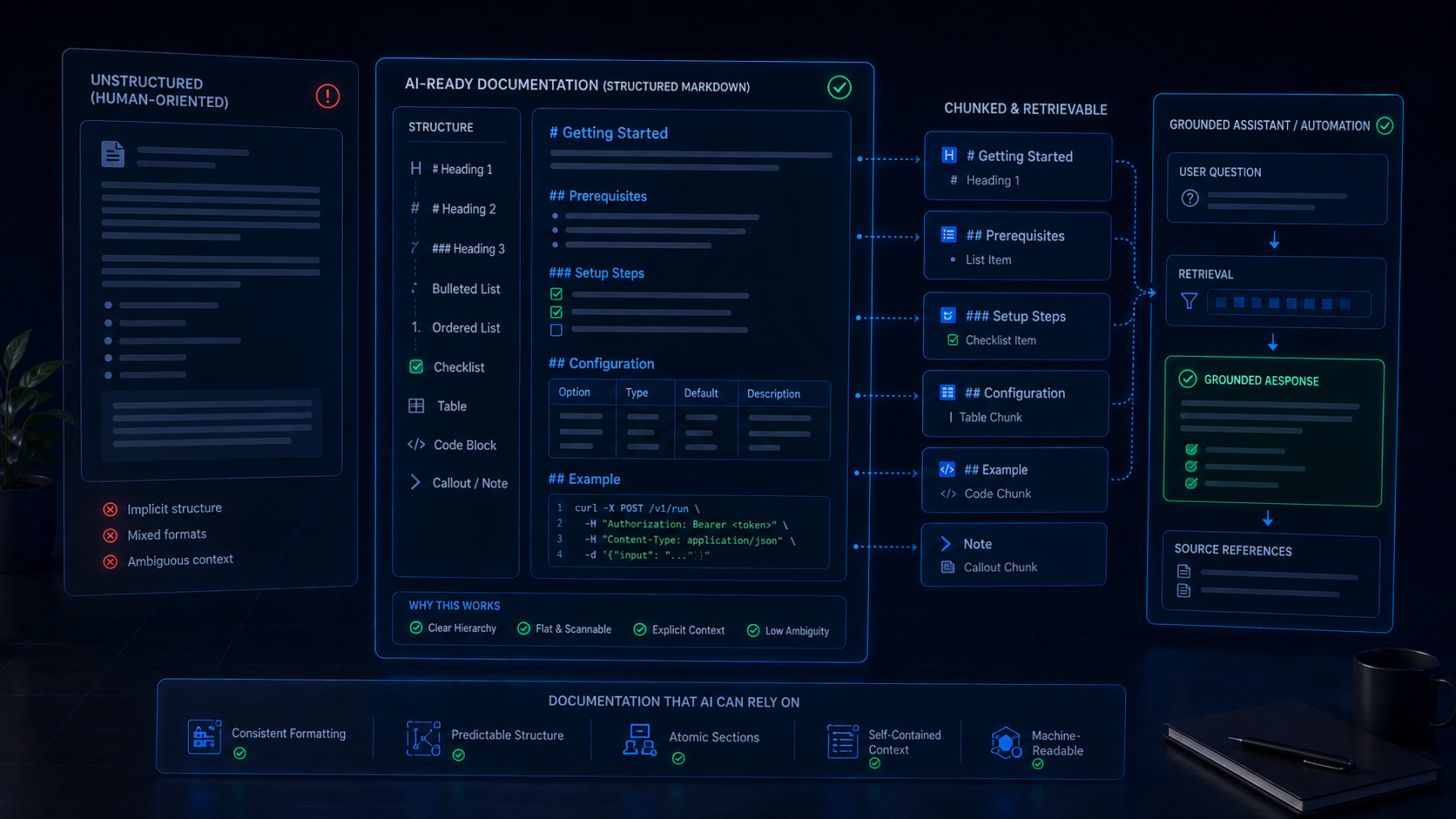
"AI-ready documentation" sounds like a tooling problem. It is a formatting problem.

The first two posts in this series covered the problem — your knowledge is scattered and AI can only work with what you give it — and the fix — structured, clean documents give AI dramatically better signal to work from.

Once you understand that AI can only work with what you give it, the next question is obvious: what is the best way to give it?
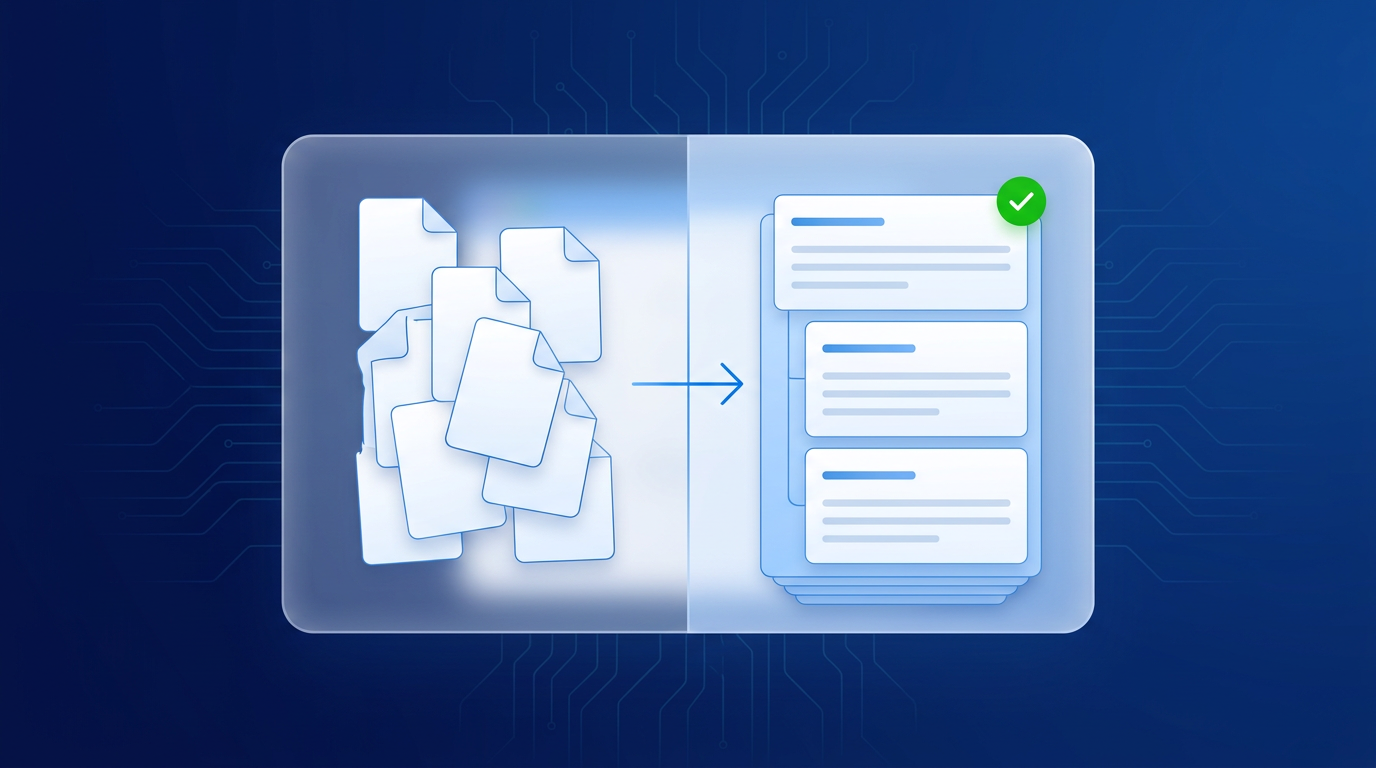
AI tools are capable. Most businesses that try them get inconsistent results anyway — not because the tools are broken, but because the tools have never been given the right information to work with.
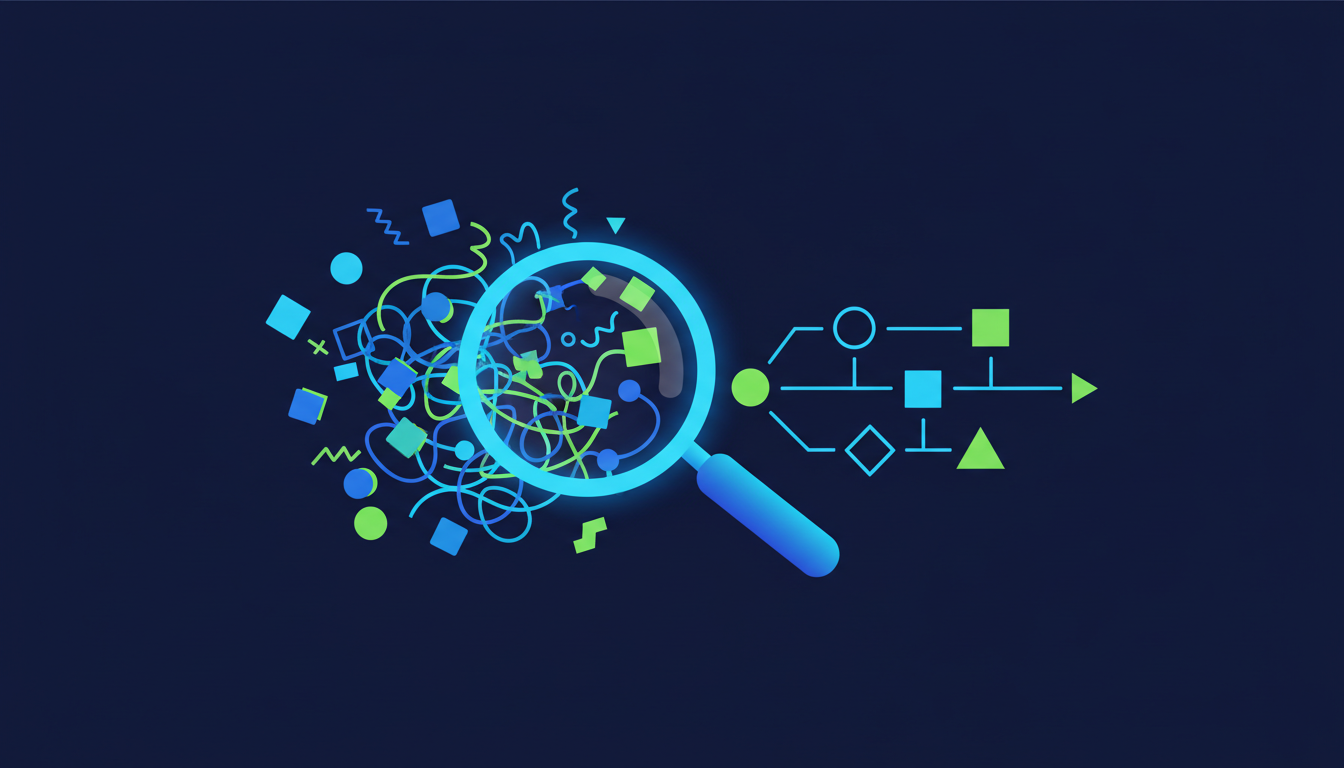
RAG — Retrieval-Augmented Generation — is how AI finds accurate answers in your own documents instead of guessing from general training. Here's what it means and why it matters for your business.
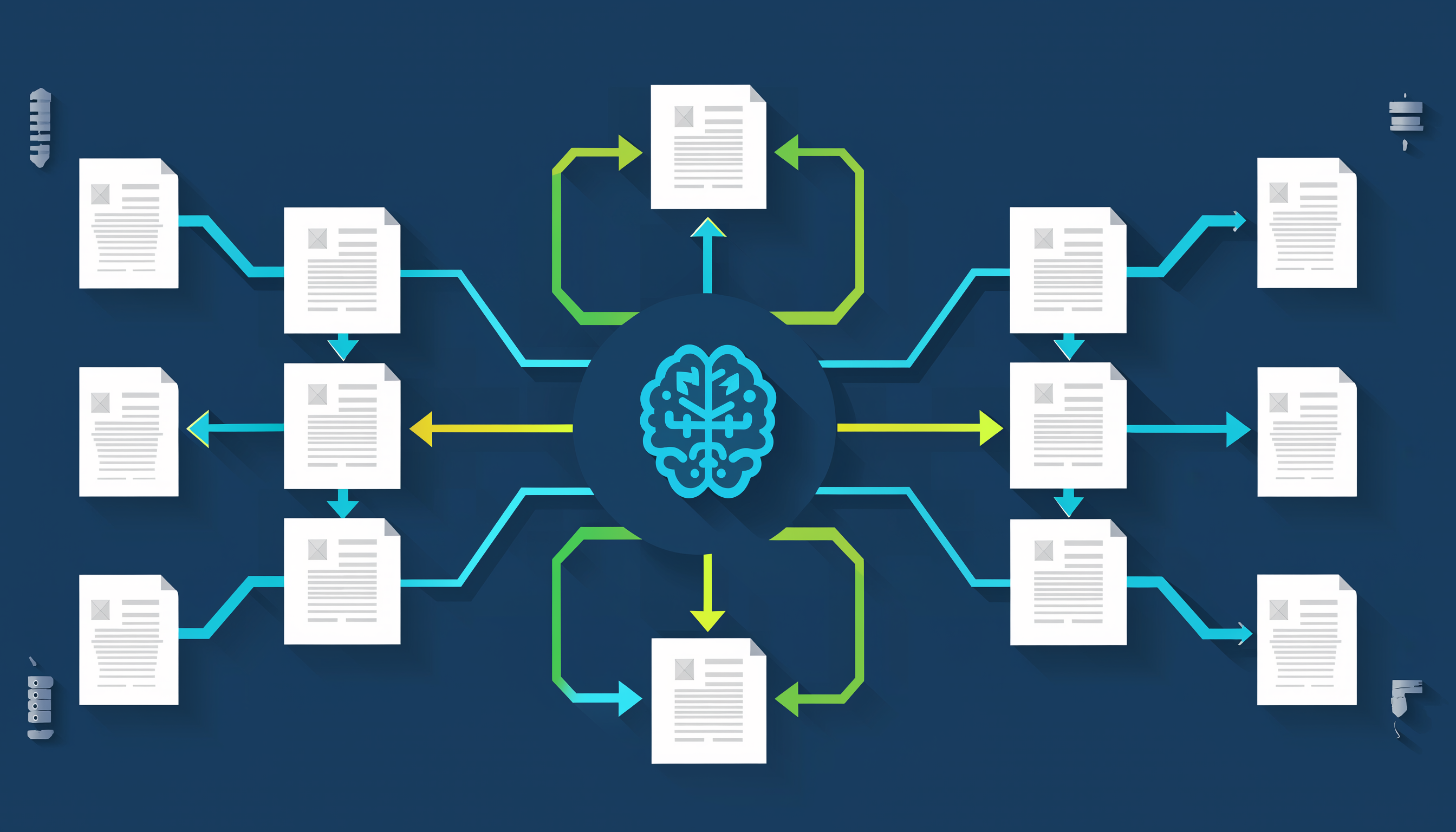
Most small businesses don't have a technology problem — they have a knowledge flow problem. Here's what tribal knowledge is quietly costing you and a practical path to fixing it.
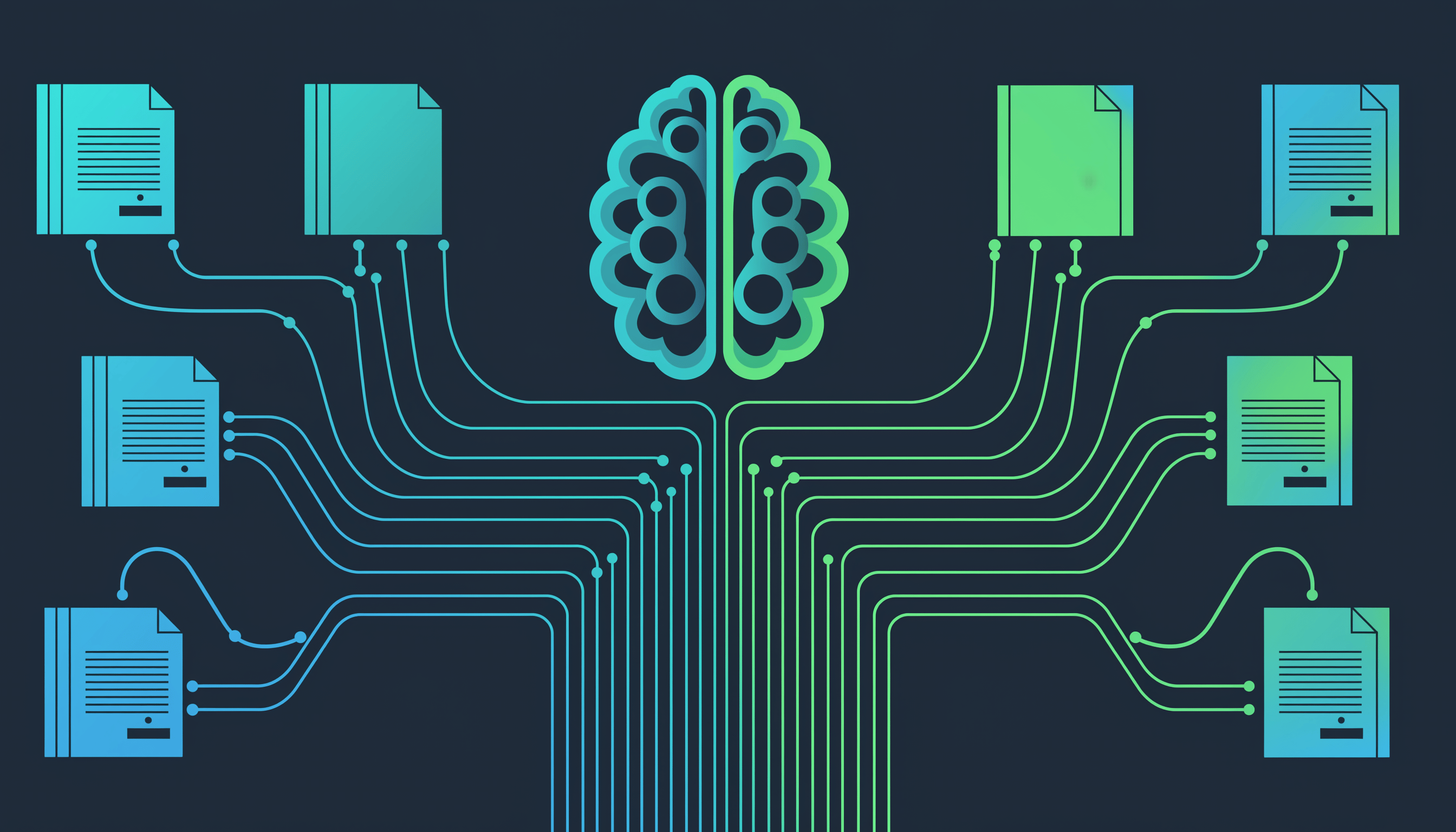
AI-powered knowledge bases promise instant answers and smarter teams — but most fail, not because the technology is bad, but because the structure is missing. Here's how SMBs can avoid the trap.