Prompt vs. procedure: turning one-off AI requests into repeatable team workflows
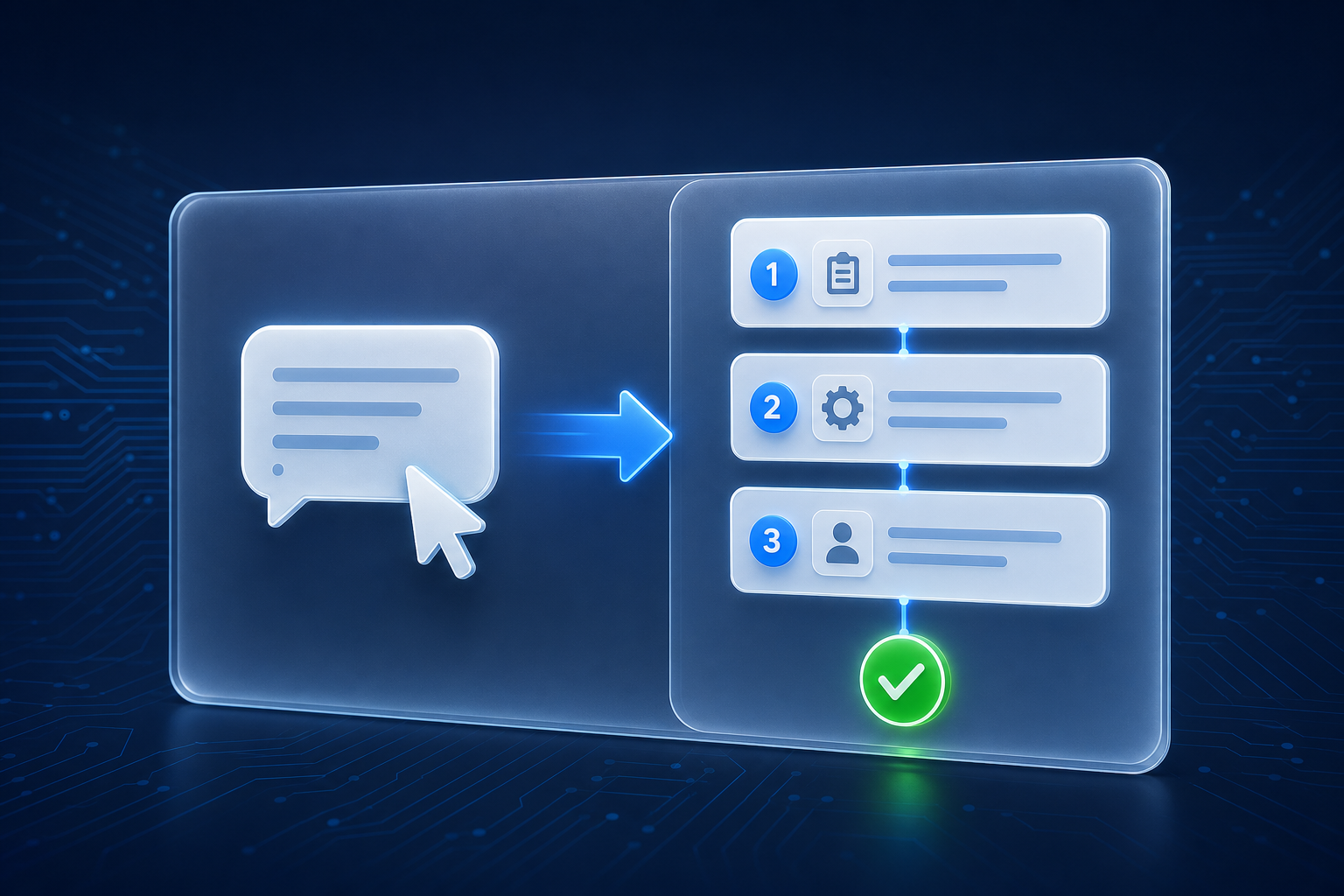
A clever prompt produces one good answer. A procedure produces the same good answer every week, run by anyone on your team.
A clever prompt produces one good answer. A procedure produces the same good answer every week, run by anyone on your team.

Shadow AI is already in your business. Your team is using ChatGPT to write emails, Claude to summarize documents, and three other tools you have never heard of. None of it is on any inventory.

Once you understand that AI can only work with what you give it, the next question is obvious: what is the best way to give it?

One of the fastest ways to get inconsistent AI results across a team is to have every person write their own prompts from scratch each time. One of the fastest ways to fix that is a shared prompt library.

Most small businesses that are not using AI are not avoiding it because of cost or complexity. They are avoiding it because of things they believe about AI that are not accurate. Clearing those up is usually the fastest path forward.

When a business has no dedicated operations team, automation decisions need to be simple and low-risk. The fastest way to fail is automating high-impact customer or financial decisions too early.

Most micro-SMB websites are not broken. They are just unclear. Visitors land, skim, and leave because the offer is vague, the next step is not obvious, or common questions are unanswered.

Most owners know automation could save time, but they don't know where to start. This six-step framework helps you pick a first automation that's low-risk, high-impact, and quick to implement.

Running a small business should feel exciting — not exhausting. Here are five tasks quietly draining your day and the simple automations that eliminate them.
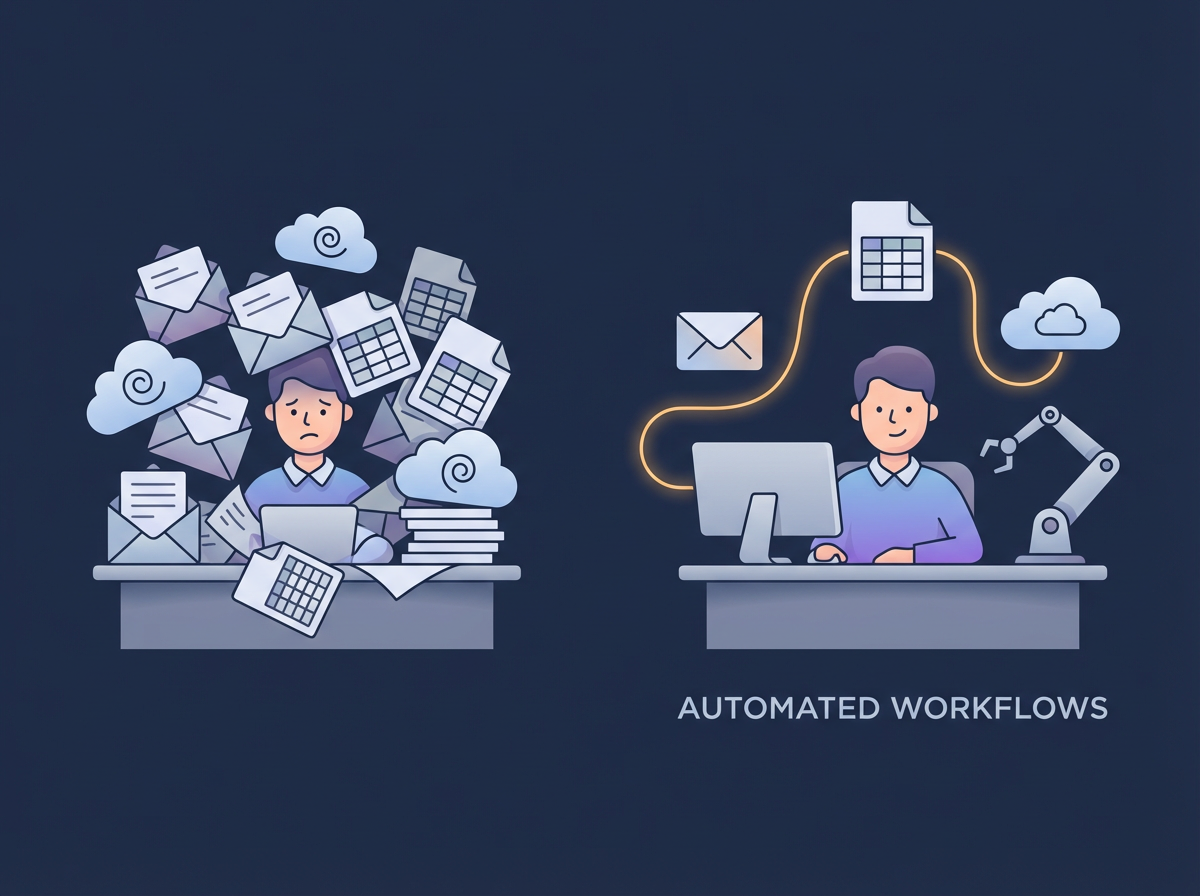
Automation isn't complicated, expensive, or just for big companies. Here are the three most common misconceptions holding small businesses back — and why they're wrong.