Prompt vs. procedure: turning one-off AI requests into repeatable team workflows
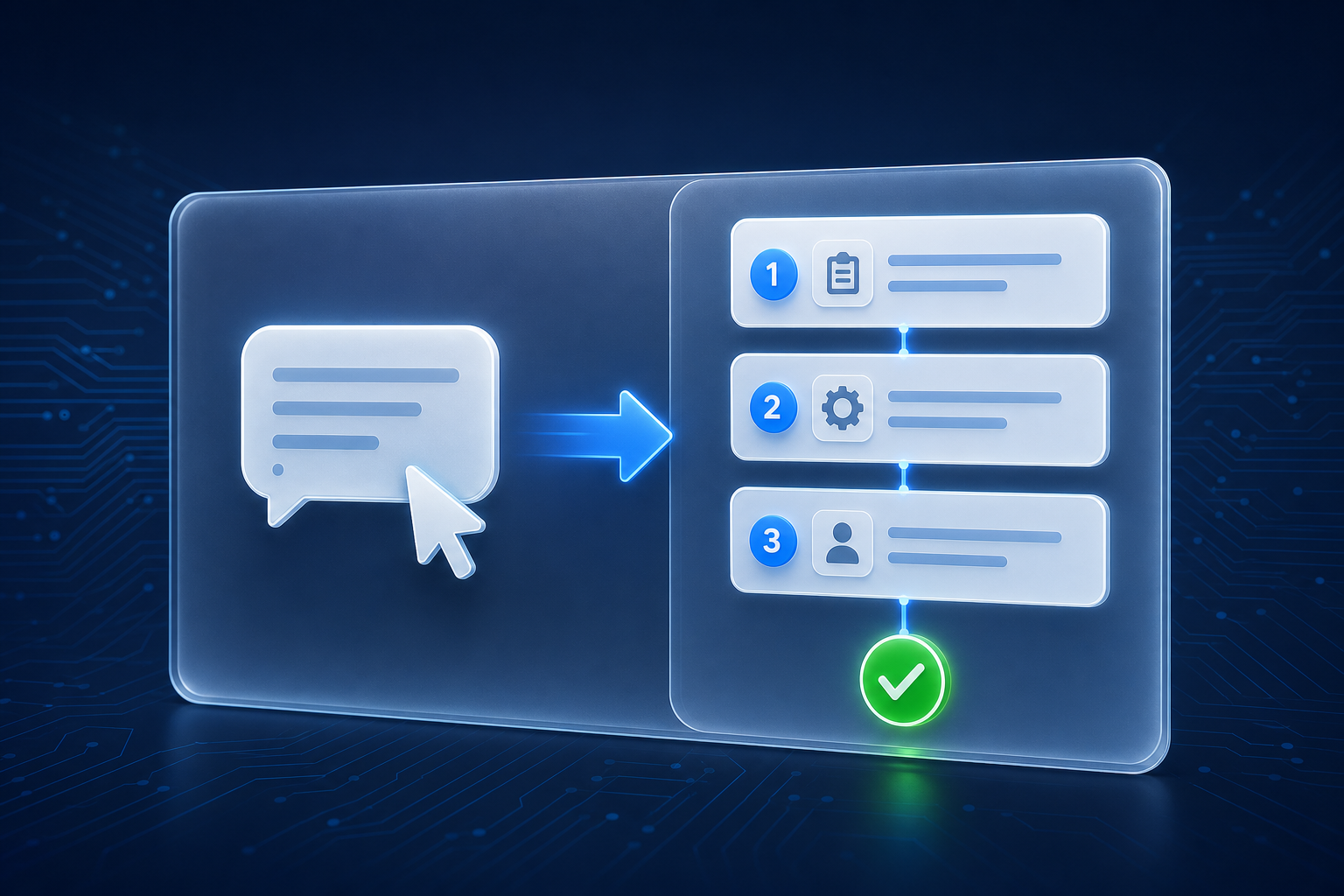
A clever prompt produces one good answer. A procedure produces the same good answer every week, run by anyone on your team.
A clever prompt produces one good answer. A procedure produces the same good answer every week, run by anyone on your team.
Series: Building an AI-Ready Business — Part 2 of 3 Part 1: Process problem · Part 2: Writing SOPs · Part 3: Decision logs · Series hub
Most teams treat their SOPs as if they are ready to hand to an AI agent. They are not.
The AI champion sounds like a tools job. New software. New dashboards. New vendor calls. It is not.
Series: Building an AI-Ready Business — Part 1 of 3 Part 1: Process problem · Part 2: Writing SOPs · Part 3: Decision logs · Series hub
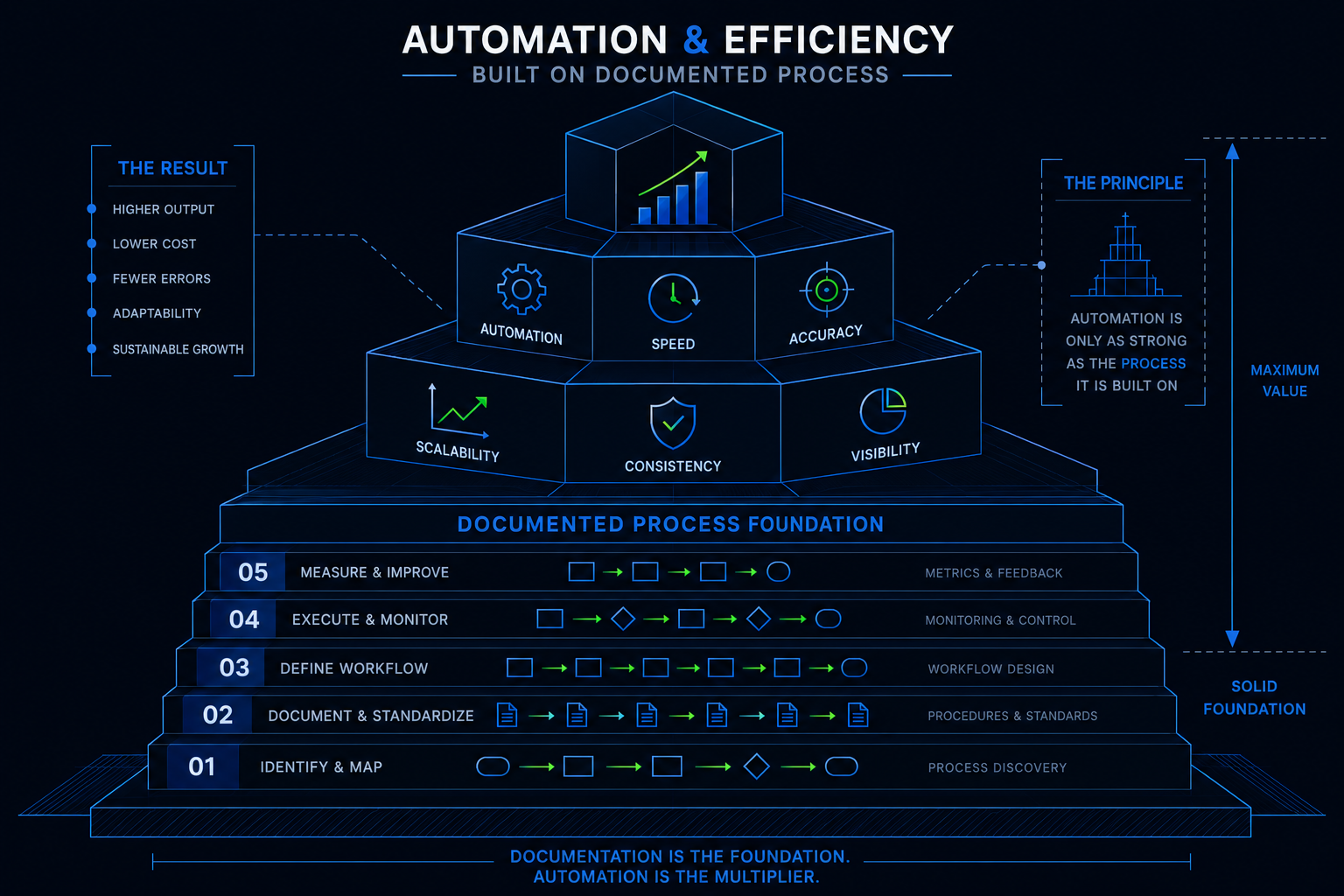
AI is on every SMB owner's agenda right now, and the spend is climbing. What is missing is a quieter conversation about whether the work AI is meant to improve was ever stable enough to improve in the first place.
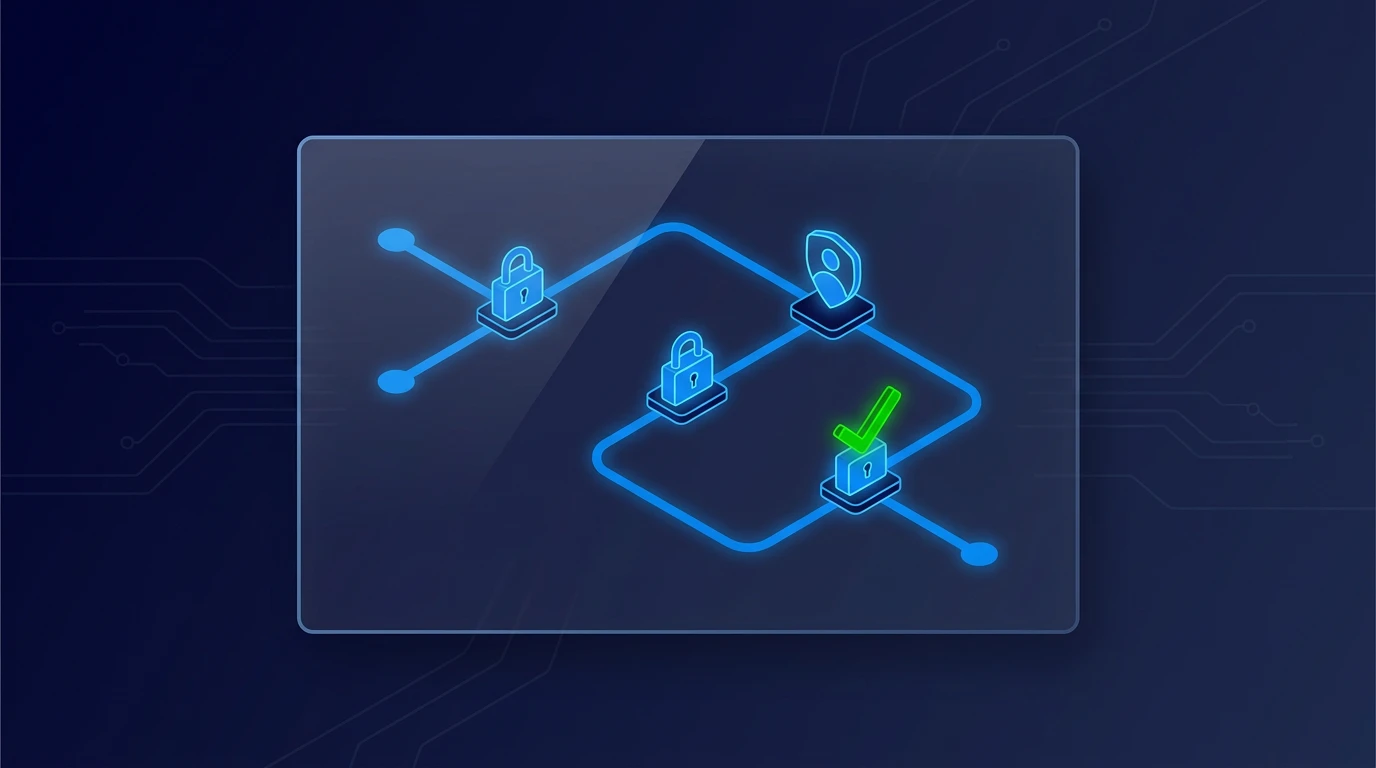
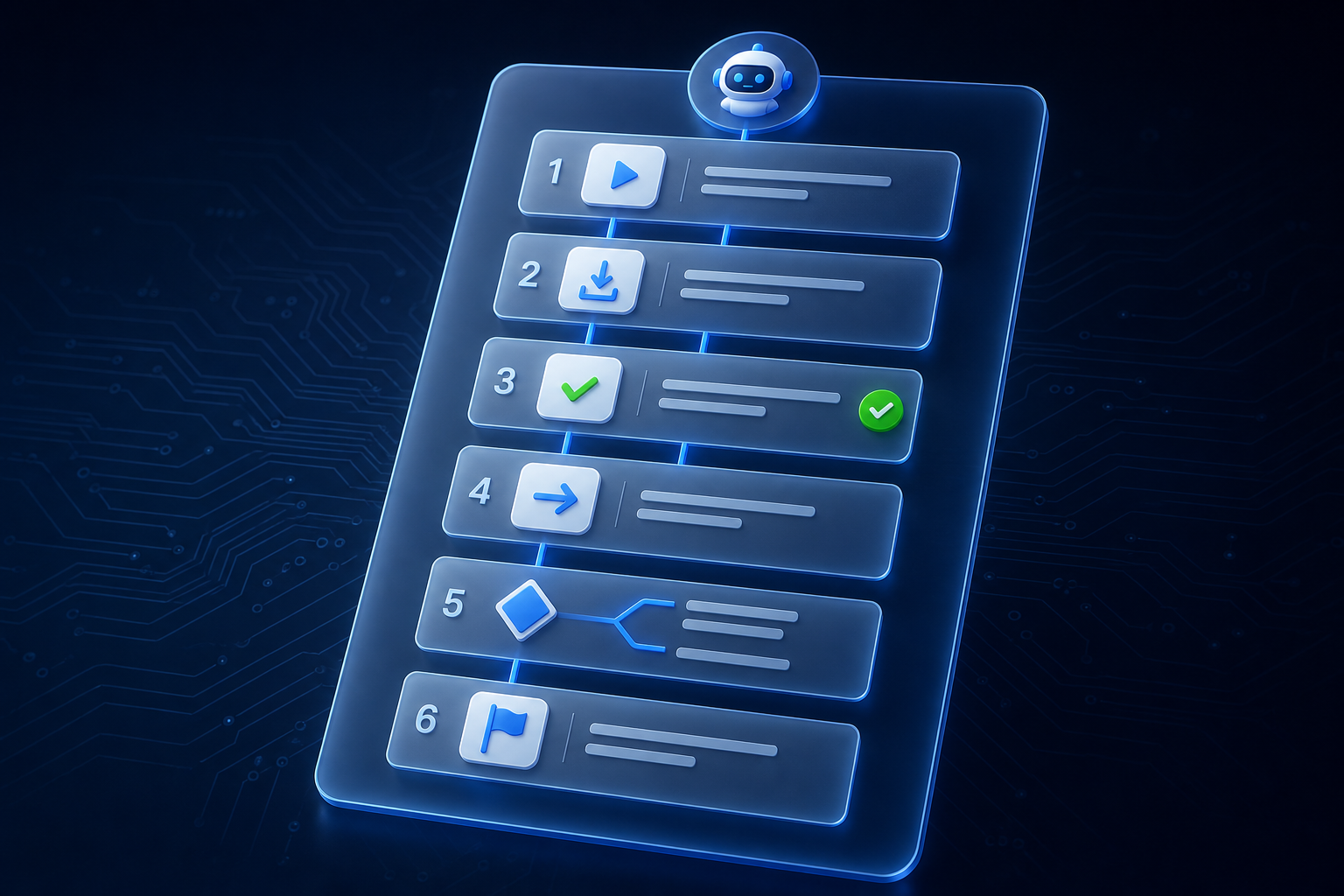
Most of what gets called "AI automation" is a single prompt and a reply. That is a chatbot. A real pipeline has structure: discrete steps, quality checks, and a human at the end before anything ships.

Email is one of the highest-friction parts of running a small business. It is also one of the most practical places to introduce AI — not to fully automate your inbox, but to reduce the time you spend sorting, categorizing, and drafting responses.
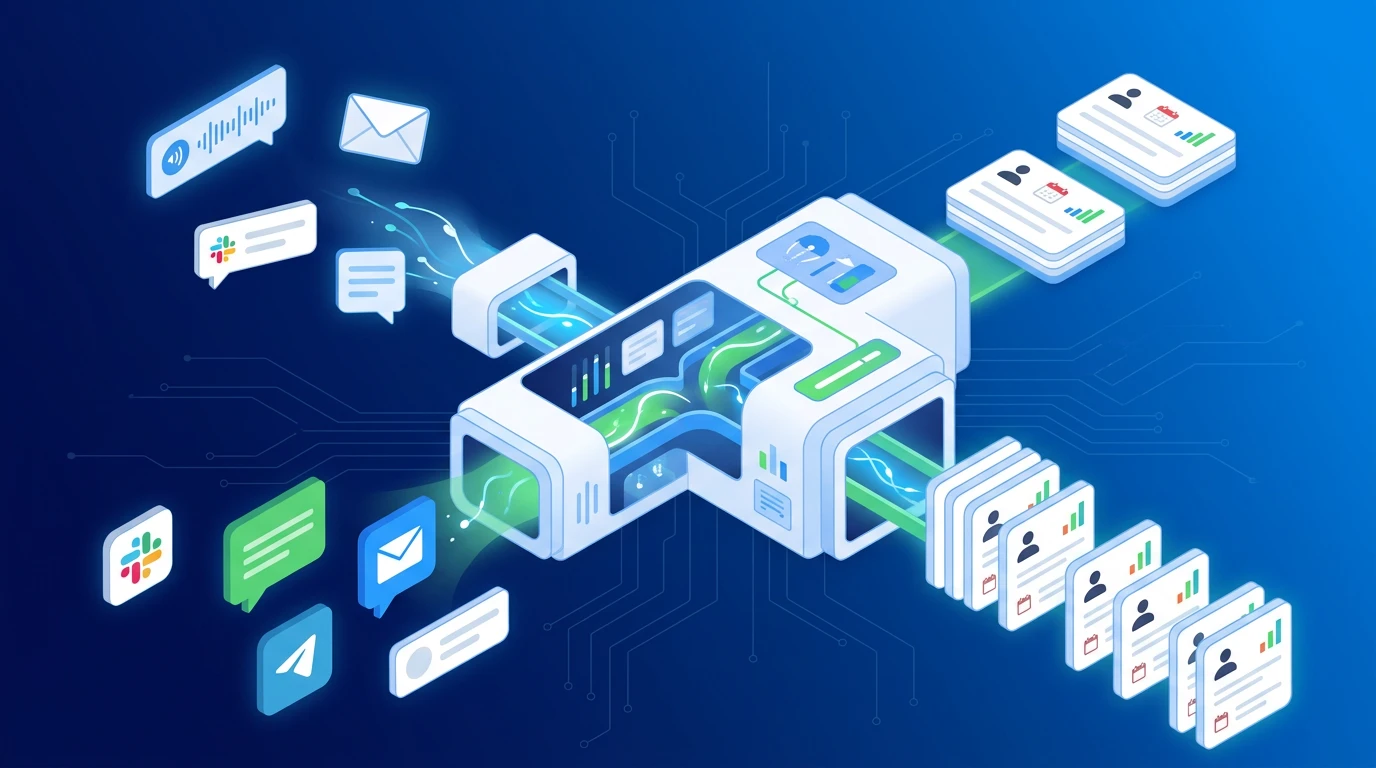
Micro-SMB work often starts in fragments: a voice note after a meeting, a quick Slack or Telegram message, an email you send to yourself, or a note captured on the go.
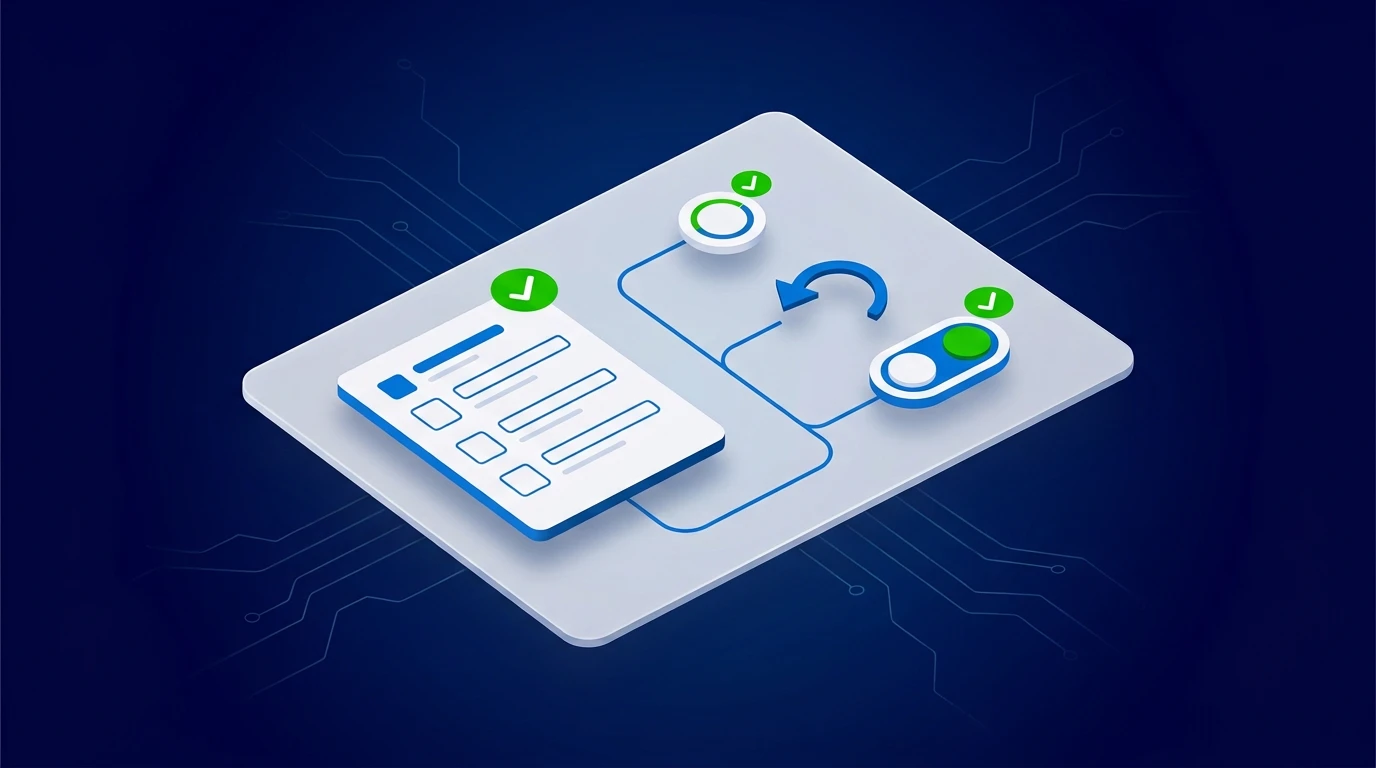
Most AI incidents are not caused by bad intentions. They are caused by undocumented changes nobody can trace or reverse.
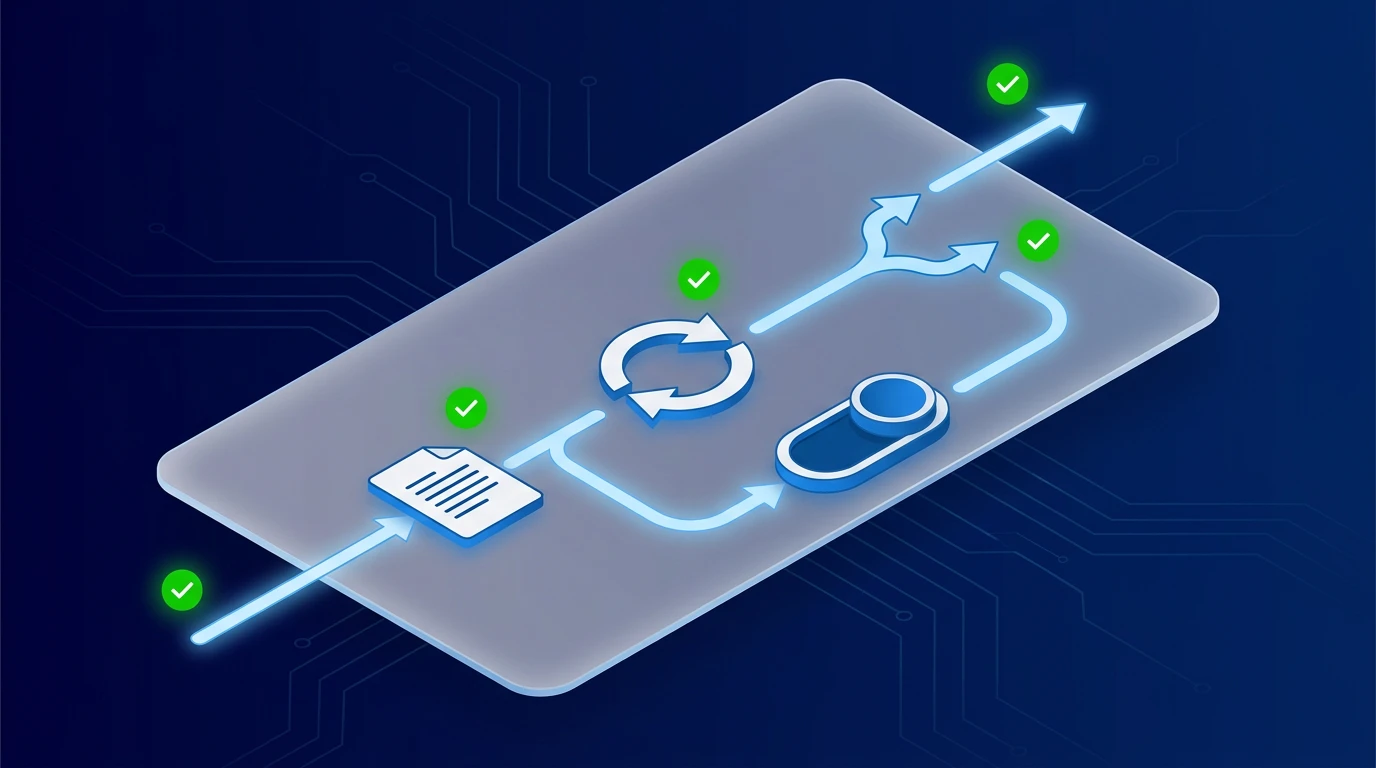
Pilots break in production for one reason: they are optimized for demo success, not operational reliability. Hardening closes that gap.
Automation does not fail because humans stay involved. It fails when humans are involved at the wrong points.