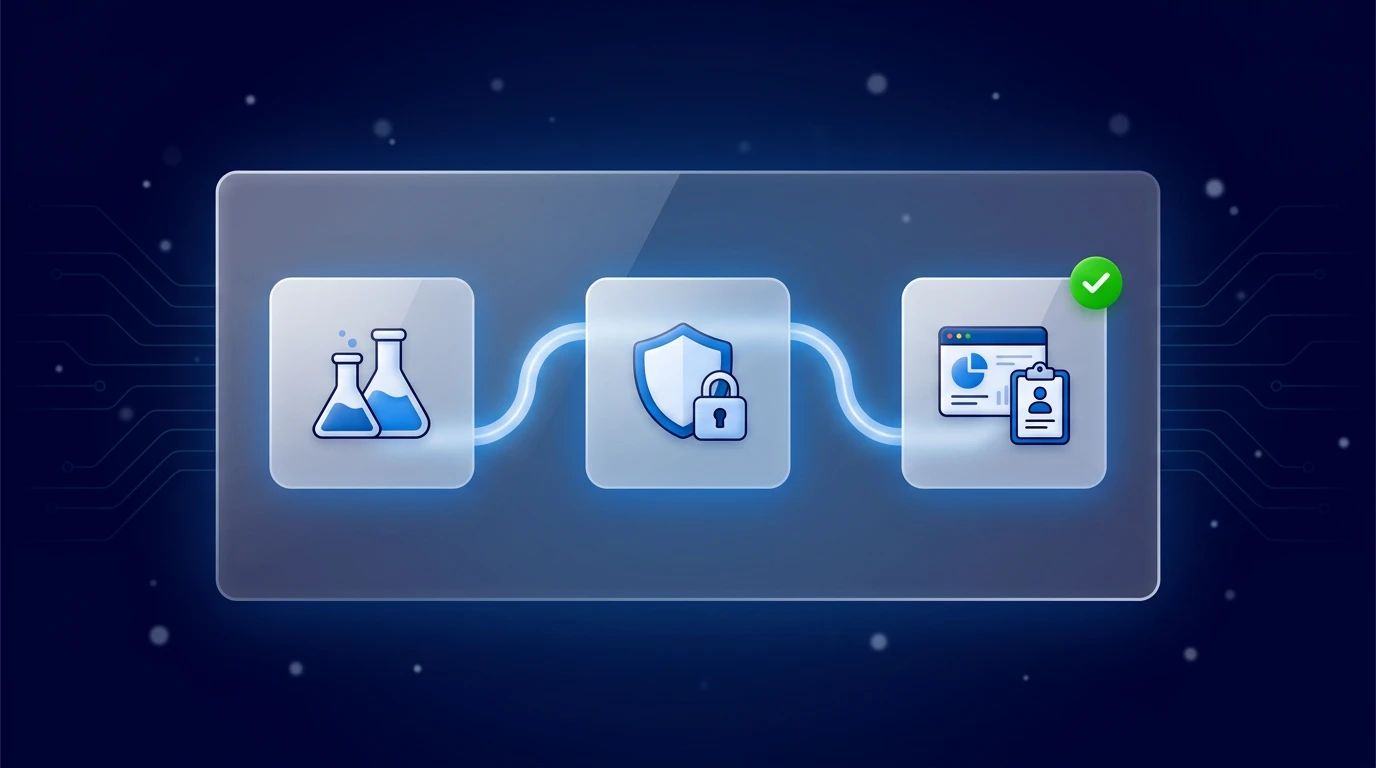
From Pilot to Production
A 3-part series for small businesses that want automation value without losing control.
Many AI pilots look good in week one and break in month two. The missing piece is usually not model quality. It is operational discipline.
This series covers the full path: pilot scope, production hardening, and team handoff.
Part 1
Pilot Scope: What to Automate First (and What to Avoid)
Choose pilot workflows using value, control, and ownership criteria so early wins are safe, repeatable, and ready to hand off.
Categories: Automation · Strategy
Part 2
Production Hardening: Logging, Retries, Fallbacks, Kill Switches
Add logging, retries that avoid duplicate damage, fallback paths, and kill switches that keep high-volume automations reliable instead of fragile demos.
Categories: Automation · Security
Part 3
Adoption + Handoff: Runbooks, Owners, Dashboards
Make automation durable with concise runbooks, clear owners, and dashboards that signal when to tune or pause workflows.
Categories: Strategy · Efficiency
Read the series
Start at Part 1 and use each post's links to move through the sequence as new parts are published.
Start with Part 1: Pilot Scope →
Related reading
These posts pair well with this series:
- AI Readiness in 60 Minutes: Map Workflows Before You Automate - map workflows, data, and decision owners first
- Build an AI Risk Heat Map Your Team Will Actually Use - prioritize opportunities by value and control risk
- Automation That Doesn't Break: The 3 Guardrails Every SMB Needs - control patterns for production-ready automation
Keep exploring
If you are moving from experiments to controlled delivery, read Part 1: Pilot Scope and Automation That Doesn't Break. For a guided readiness path, start the AI Readiness Audit or contact FIT.