Rollout Notes That Keep AI Changes Safe and Reversible
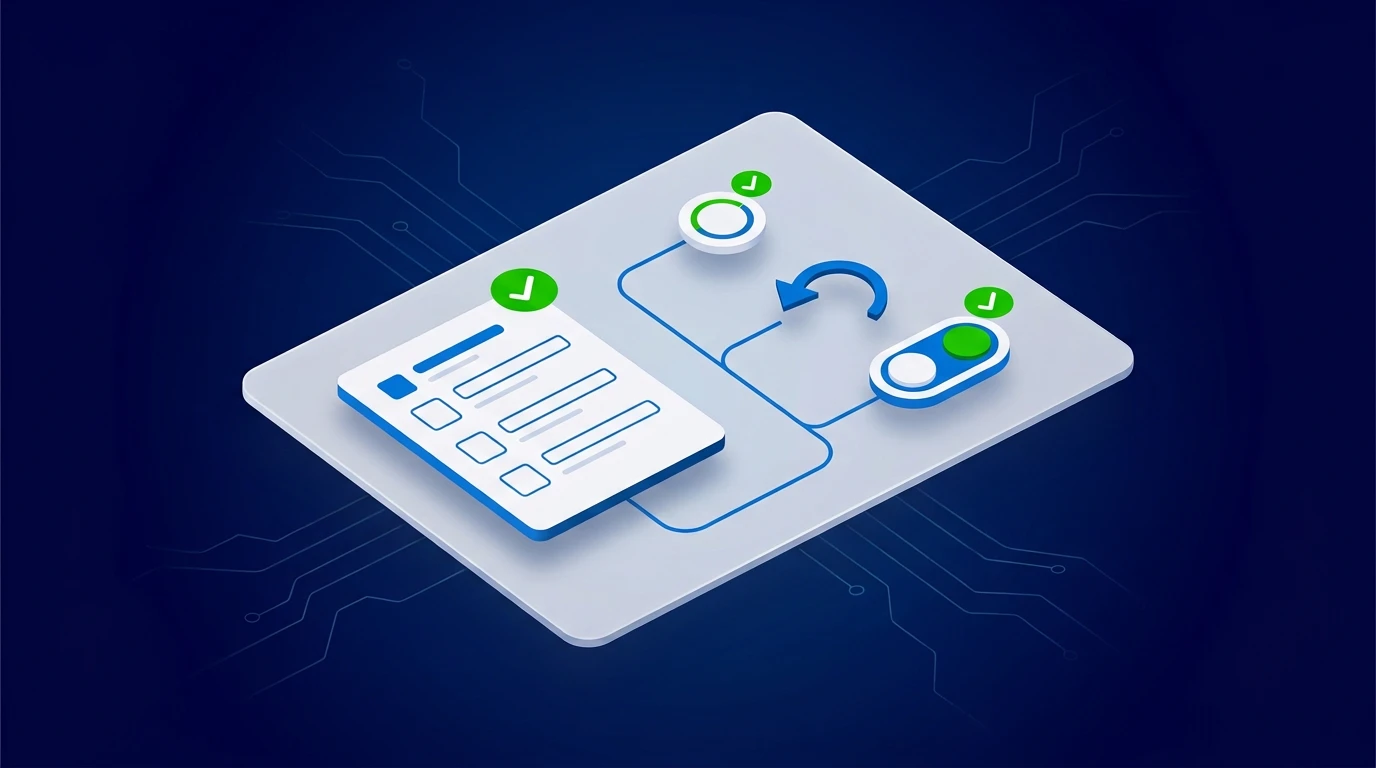
Most AI incidents are not caused by bad intentions. They are caused by undocumented changes nobody can trace or reverse.
Most AI incidents are not caused by bad intentions. They are caused by undocumented changes nobody can trace or reverse.
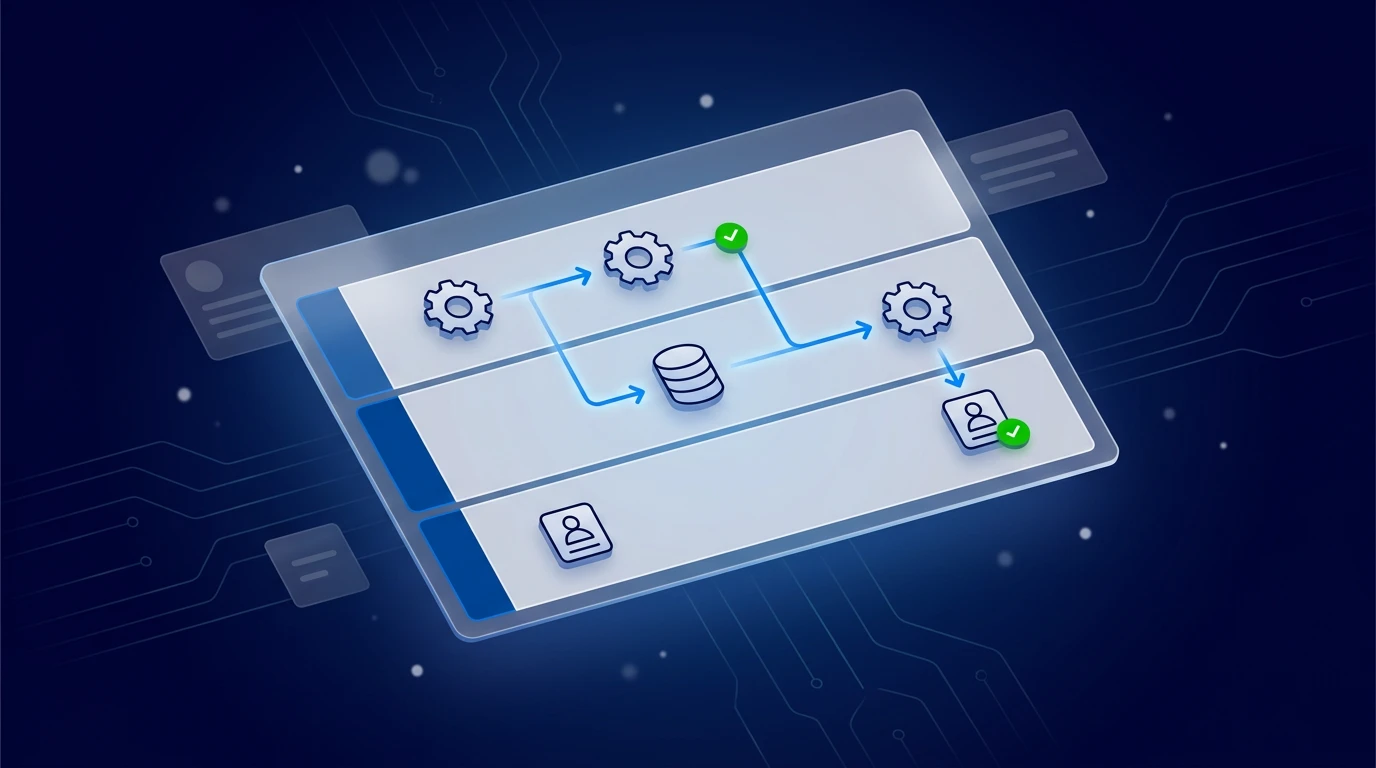
If you want AI to deliver value without risking control, do not start with tools. Start with a workflow map your team can agree on in one hour.
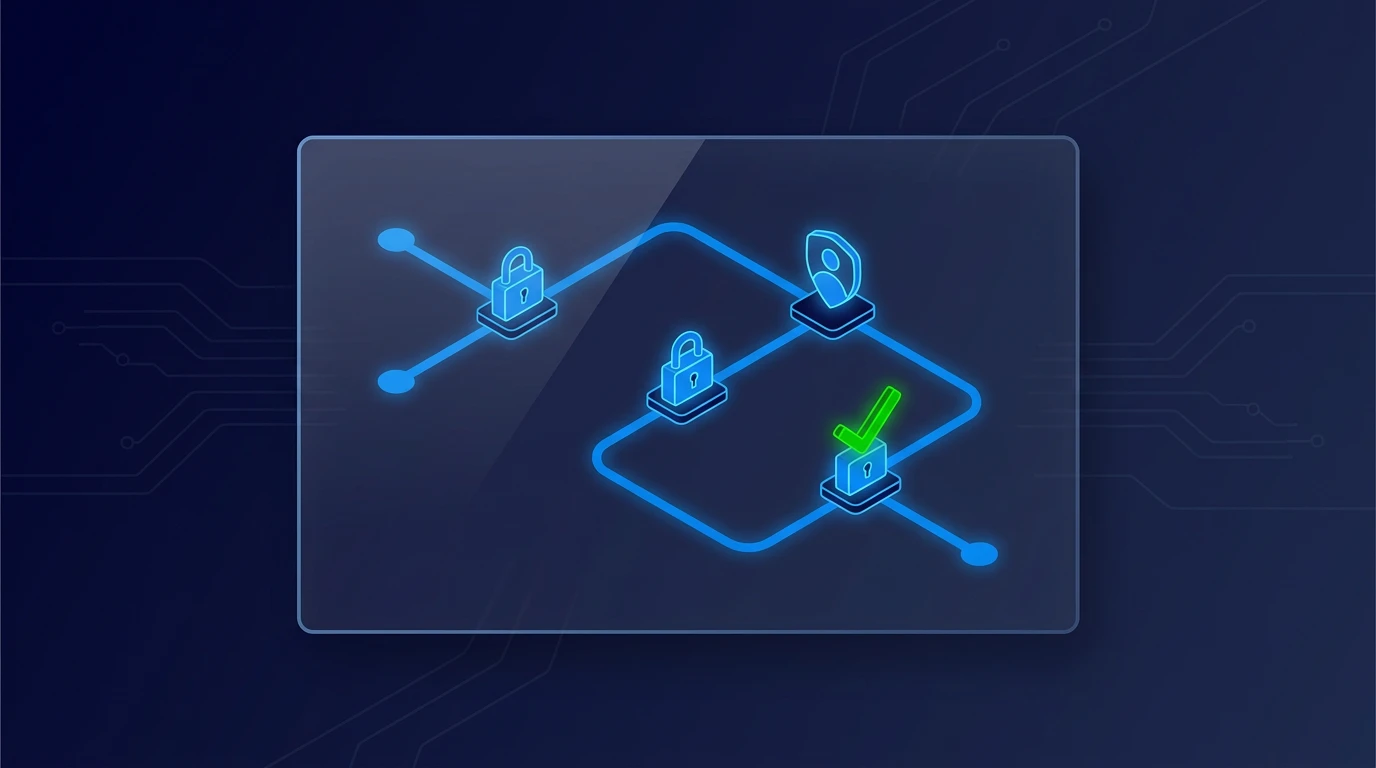
Automation does not fail because humans stay involved. It fails when humans are involved at the wrong points.

The fastest way to lose momentum with AI is picking the wrong pilot. The right pilot creates value quickly without putting control at risk.
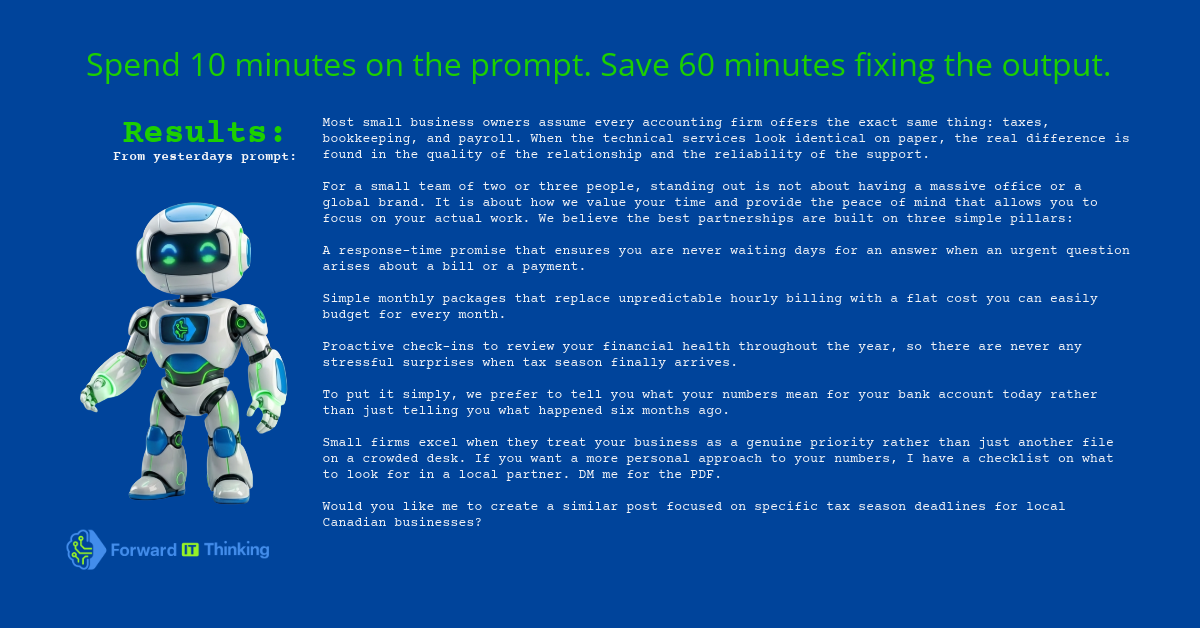
The step most people skip: turning AI output from a useful draft into a reusable, repeatable business asset instead of letting it become digital exhaust.

Different AI models behave differently — some reason deeply, others respond fast. Match the model to the job and get better answers with less rework.
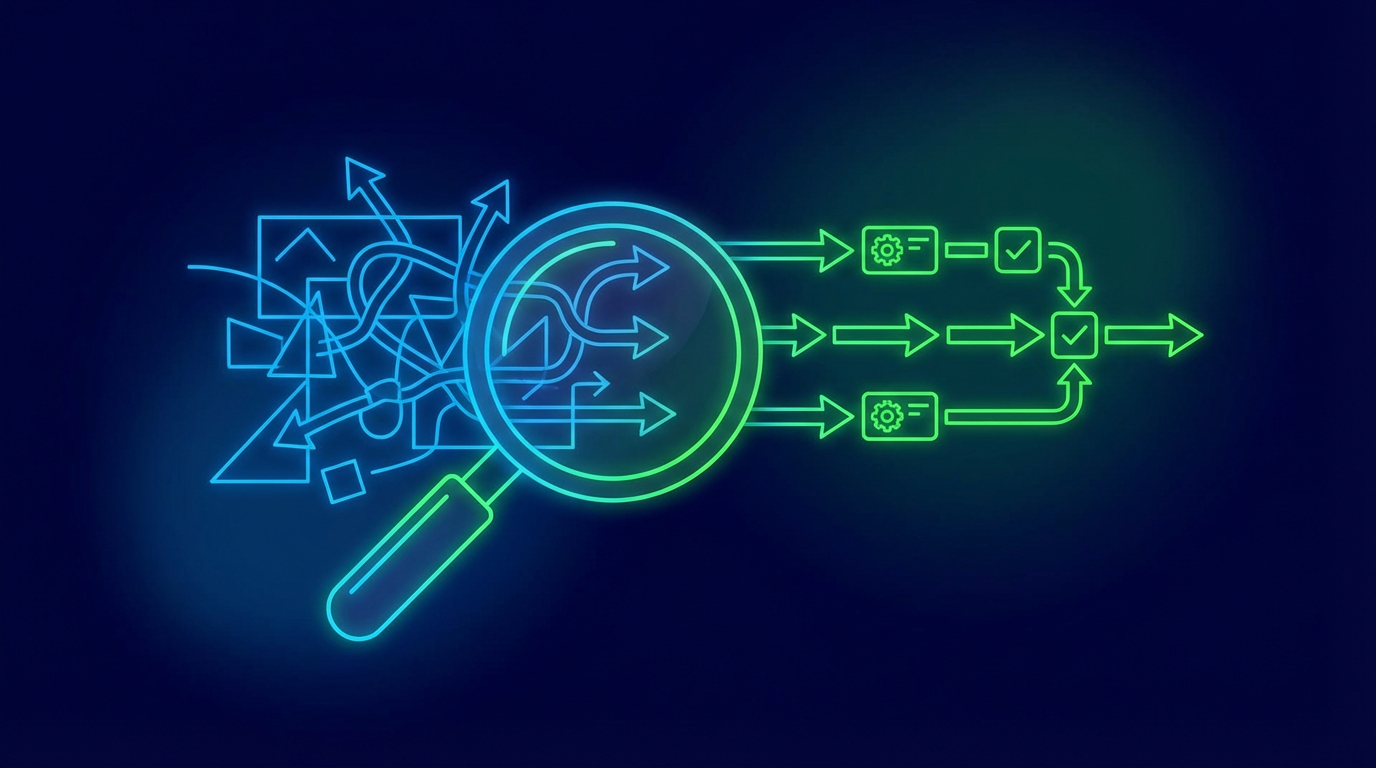
Most small businesses don't fail at automation because of the wrong tool — they fail because the workflow wasn't built with guardrails. Here are the three that prevent most of the problems.
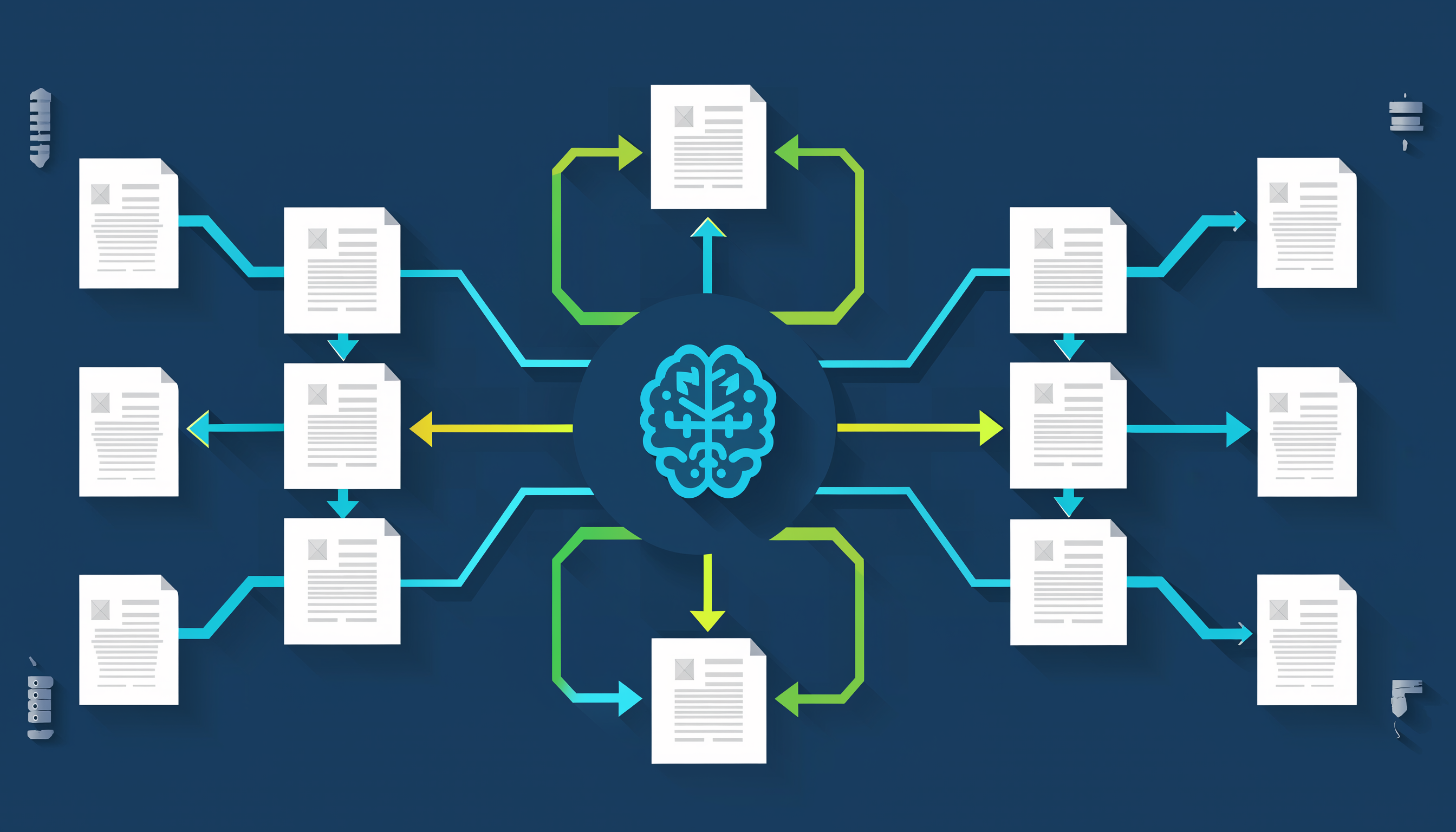
Most small businesses don't have a technology problem — they have a knowledge flow problem. Here's what tribal knowledge is quietly costing you and a practical path to fixing it.
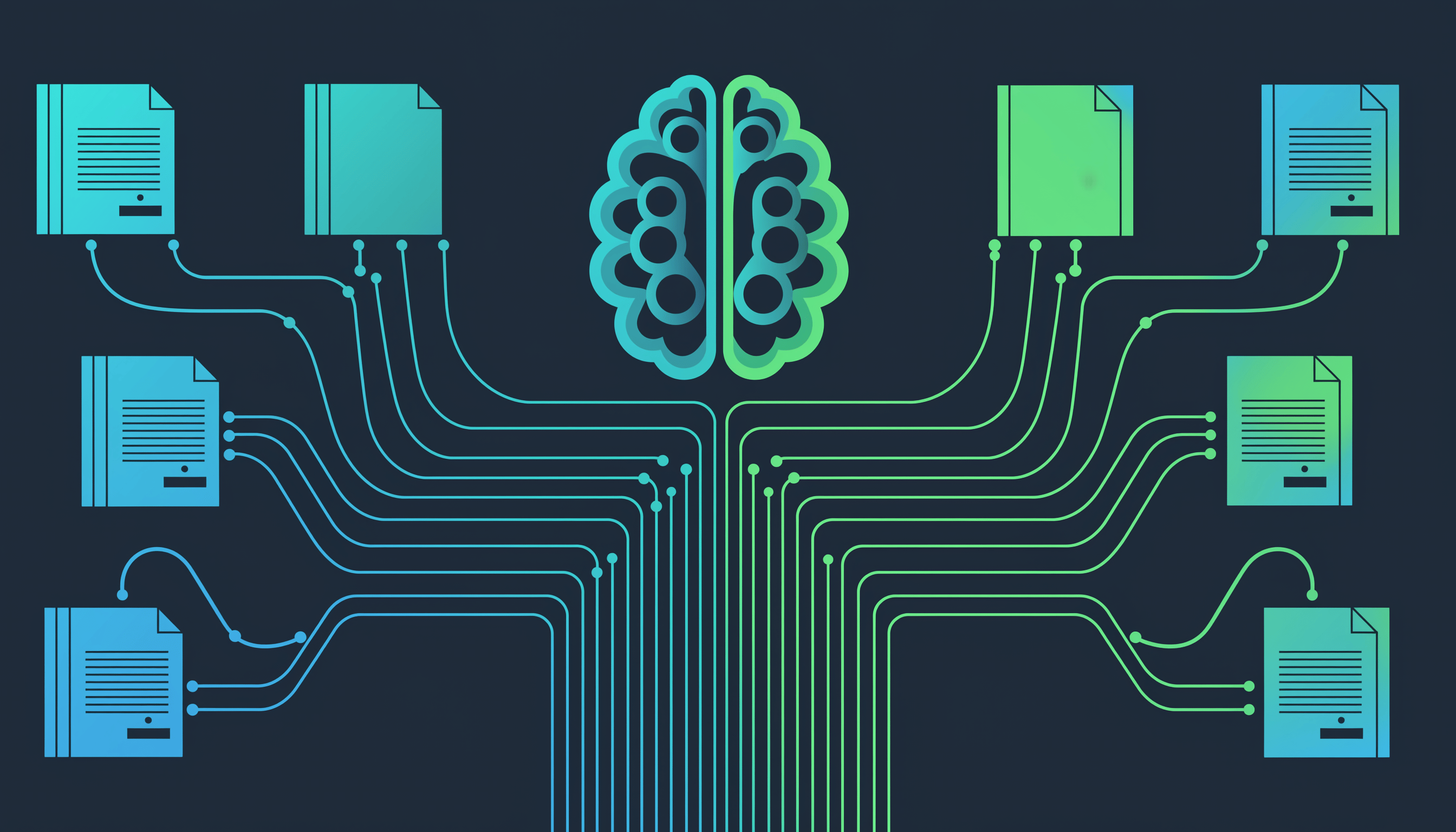
AI-powered knowledge bases promise instant answers and smarter teams — but most fail, not because the technology is bad, but because the structure is missing. Here's how SMBs can avoid the trap.

Most owners know automation could save time, but they don't know where to start. This six-step framework helps you pick a first automation that's low-risk, high-impact, and quick to implement.