Your First AI Employee Handbook (Without the Tech Jargon)

Once more than one person is using AI in your business, inconsistent behavior becomes a quality and risk problem. A one-page AI handbook gives your team a shared operating standard.
Once more than one person is using AI in your business, inconsistent behavior becomes a quality and risk problem. A one-page AI handbook gives your team a shared operating standard.

When a business has no dedicated operations team, automation decisions need to be simple and low-risk. The fastest way to fail is automating high-impact customer or financial decisions too early.

Micro-SMB work often starts in fragments: a voice note after a meeting, a quick Slack or Telegram message, an email you send to yourself, or a note captured on the go.

If you cannot measure your AI usage, you cannot manage it. Most small teams know they are using AI more, but cannot prove if it is actually improving outcomes.

Most micro-SMB websites are not broken. They are just unclear. Visitors land, skim, and leave because the offer is vague, the next step is not obvious, or common questions are unanswered.

When ownership is unclear, automation errors become leadership problems. A clear ownership matrix prevents that.

If nobody owns the workflow after launch, automation quality decays fast. Adoption depends on clear handoff.

AI adoption moves faster when teams can see risk and value in the same view. A heat map gives you that view in minutes.

Most AI incidents are not caused by bad intentions. They are caused by undocumented changes nobody can trace or reverse.
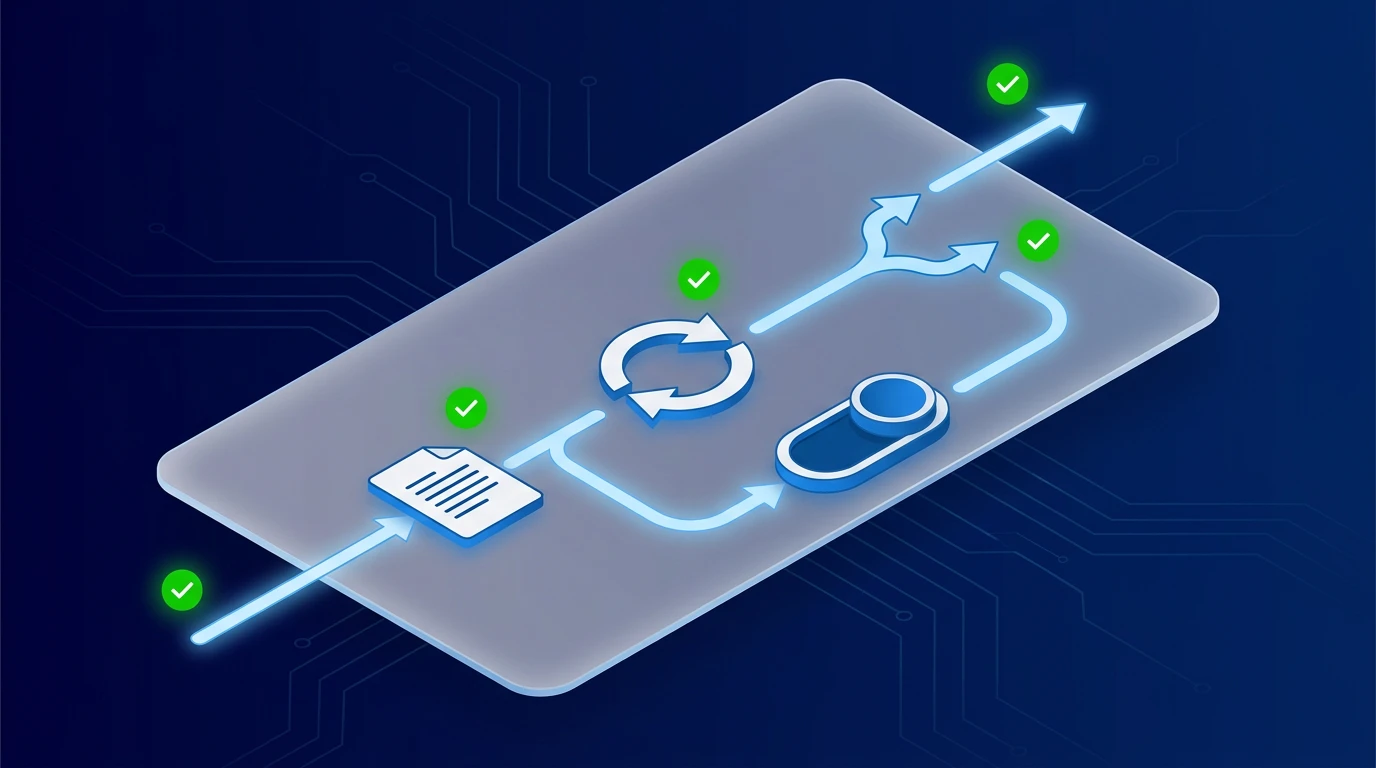
Pilots break in production for one reason: they are optimized for demo success, not operational reliability. Hardening closes that gap.