Who Owns the Decision? The SMB AI Ownership Matrix
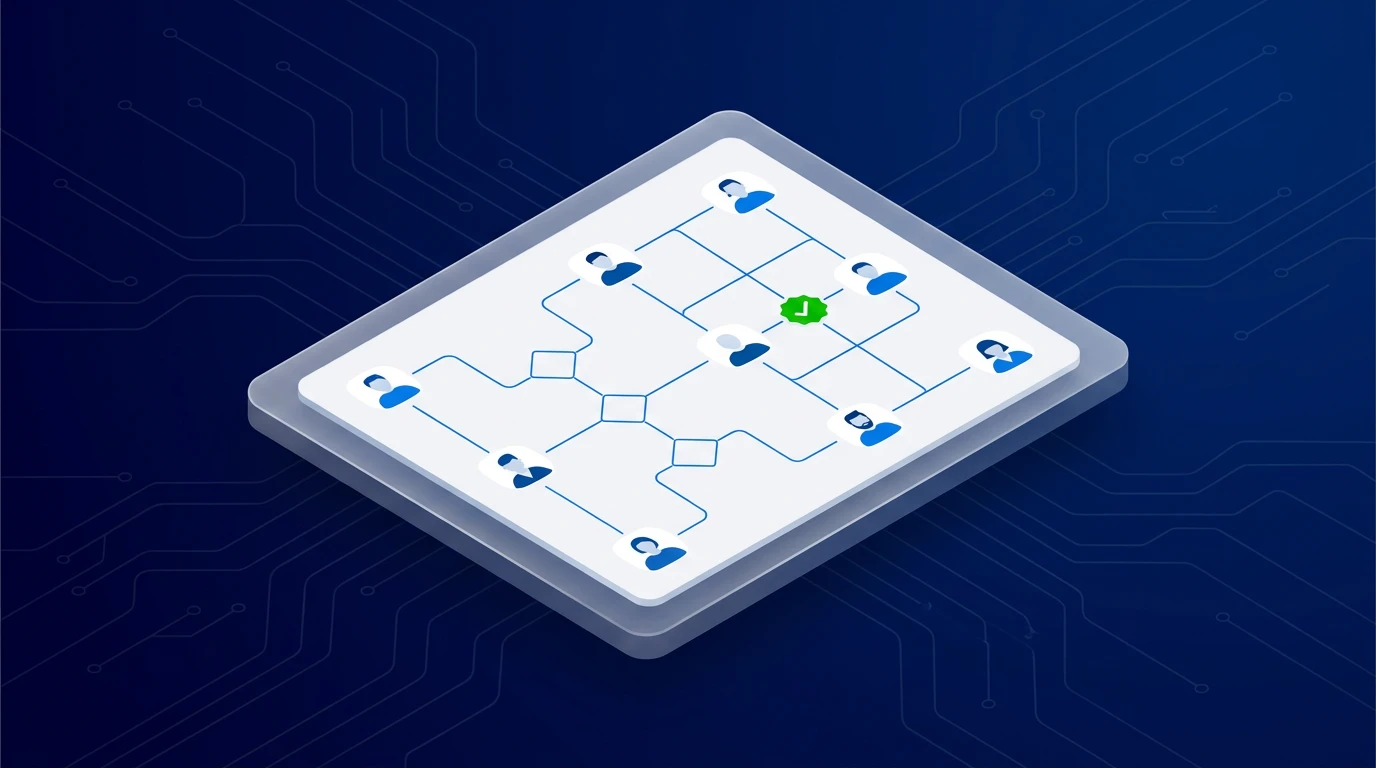
When ownership is unclear, automation errors become leadership problems. A clear ownership matrix prevents that.
AI systems can draft, route, and classify. They still need accountable humans for decisions, approvals, and policy changes.
The four-role ownership model
Use four roles across every workflow:
- Accountable owner: owns business outcome.
- Approval owner: approves high-risk actions.
- Operations owner: monitors daily behavior and exceptions.
- Maintenance owner: updates logic, prompts, and integrations.
If one person holds all four in production, resilience is weak.
Map owners to workflow stages
For each stage, define:
- who can approve
- who is informed
- who can pause the workflow
- who signs off restart after incident
This turns ownership into operational behavior, not just org-chart language.
Ownership rules for decision quality
Set explicit rules:
- no owner, no automation
- no backup owner, no production release
- no escalation path, no autonomy for that step
Ownership discipline keeps speed aligned with control.
SMB example: sales quote flow
A team automated quote drafting. Sales leadership owned approvals above threshold. Sales ops monitored exception queue. Technical maintainer handled rule updates.
Close speed improved while pricing risk stayed controlled.
SMB example: HR onboarding policy checks
HR owned compliance decisions. Operations owned runbook execution. IT maintained integration reliability.
When policy changed, responsibility was clear and updates shipped quickly.
Keep exploring
Pair this with Tribal Knowledge to Shared Knowledge and Part 3: Adoption + Handoff. To define owners across your live workflows, start the AI Readiness Audit or contact FIT.