Part 3: Adoption + Handoff - Runbooks, Owners, Dashboards
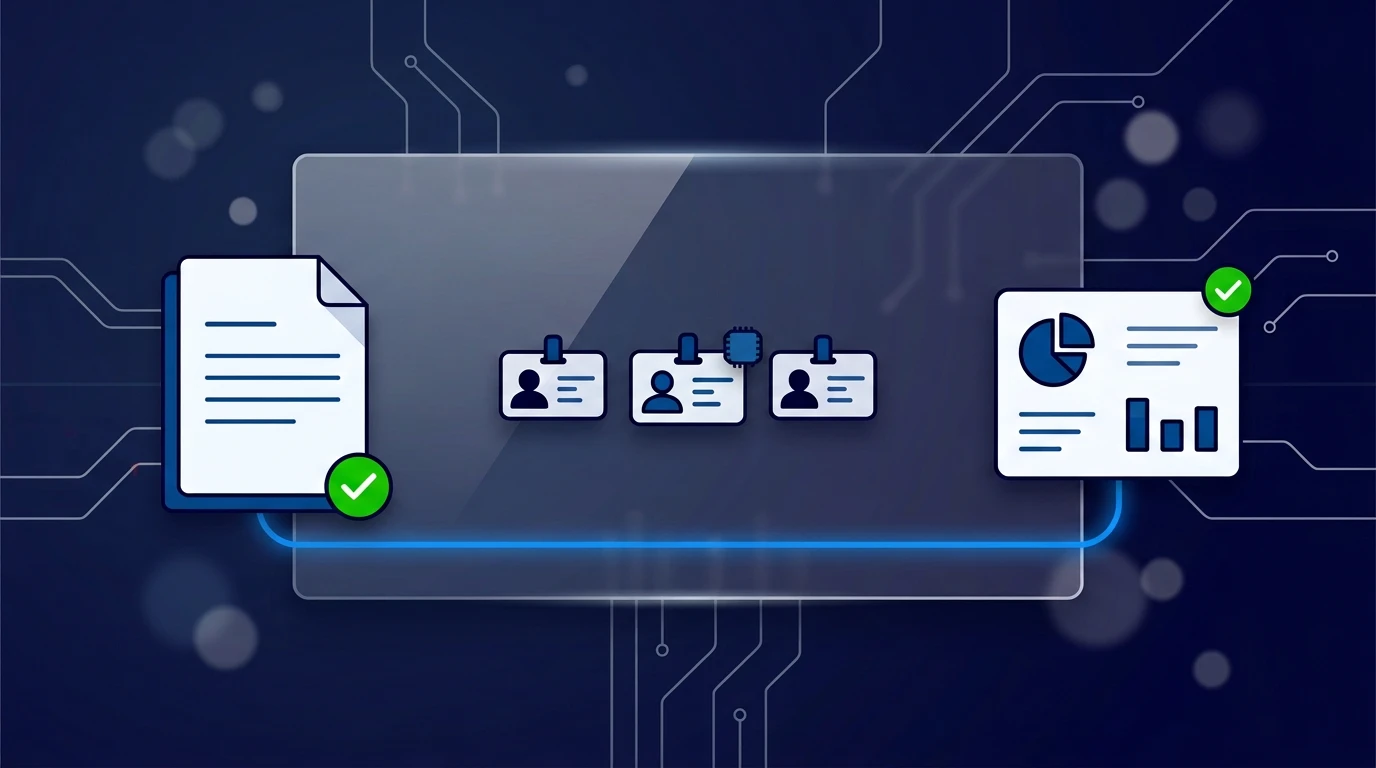
If nobody owns the workflow after launch, automation quality decays fast. Adoption depends on clear handoff.
From Pilot to Production: Shipping AI That Doesn't Break
Part 3 of 3 · Series hub · Part 1: Pilot Scope · Part 2: Production Hardening · Part 3: Adoption + Handoff (you are here)
A production workflow is only successful when operators can run it without the original builder in the room.
Why handoff fails
Most failures are operational, not technical:
- no runbook for exceptions
- no named owner for approvals
- no dashboard to detect drift
- no update rhythm when business rules change
Without these, teams improvise. Improvisation is expensive.
Runbook minimum for SMB teams
Keep runbooks short and usable under pressure.
Each runbook should include:
- Workflow purpose and boundaries.
- Normal process steps.
- Exception types and response actions.
- Escalation path and response time target.
- Rollback procedure and restart checklist.
If a new team member cannot operate from the runbook in week one, it is not complete.
Ownership model that survives turnover
Assign explicit roles:
- business owner: accountable for outcomes
- operations owner: monitors daily health
- approver: signs off high-risk actions
- maintainer: updates logic and integrations
Document backups for each role so ownership does not disappear during leave or staffing changes.
Dashboard signals that matter
Avoid vanity metrics. Track indicators tied to control and value:
- throughput and cycle time
- exception rate
- approval delay time
- fallback activation frequency
- business impact metric (hours saved, response speed, etc.)
These metrics help you decide when to tune, pause, or expand scope.
SMB example: onboarding workflow handoff
A growing firm automated onboarding coordination. They added a runbook, assigned HR as business owner, and tracked exception rate weekly.
When policy changed, they updated one documented rule set instead of retraining every coordinator manually.
SMB example: lead intake process
Sales ops owned the dashboard and escalation queue. Marketing owned copy templates. Approval stayed with sales leadership for high-value accounts.
The division of ownership kept speed high while preserving quality.
Keep exploring
Return to the series hub, and revisit Part 2: Production Hardening for control mechanics. For a complete handoff plan, start the AI Readiness Audit or contact FIT.