AI Readiness in 60 Minutes: Map Workflows Before You Automate
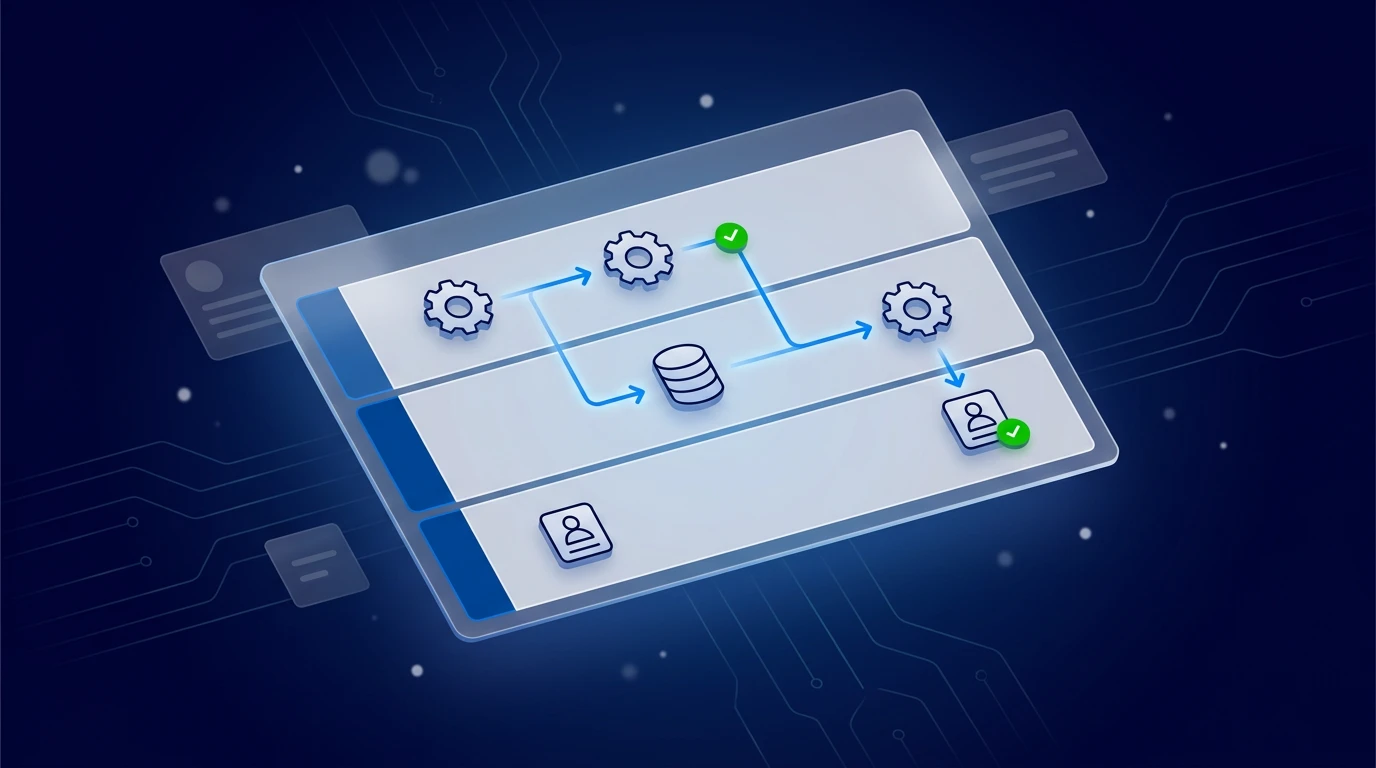
If you want AI to deliver value without risking control, do not start with tools. Start with a workflow map your team can agree on in one hour.
Most automation problems are not technical failures. They are ownership failures, scope failures, and assumptions that were never documented. A quick readiness map fixes that before you spend time or money building.
Why mapping comes first
When teams skip mapping, they automate the wrong step, pull from the wrong data source, or remove human review too early. That is how small wins turn into cleanup work.
A readiness map creates shared visibility around:
- what work is actually being done
- where data enters and changes
- who owns each decision before and after automation
The FIT readiness map (simple version)
Use one page and three lanes:
- Workflow lane: every step from trigger to outcome.
- Data lane: where data comes from, where it is stored, and where it exits.
- Decision-owner lane: who approves, who is accountable, and who handles exceptions.
If a step has no owner, it is not ready for automation.
A 60-minute session agenda
Keep this practical and fast:
- 0-10 min: Align the goal. Define one measurable outcome.
- 10-30 min: Document current workflow steps.
- 30-45 min: Mark data touchpoints and risk points.
- 45-55 min: Assign decision owners and approval gates.
- 55-60 min: Decide pilot scope and rollout notes.
By the end, you should know exactly what to automate first, what to avoid, and what requires human approval.
SMB example: invoice approvals
A 12-person services company wanted faster vendor payments. Their first instinct was full auto-approval. In mapping, they found two risk points: duplicate invoices and high-value exceptions.
They shipped a safer pilot:
- AI drafts categorization and routing
- finance lead approves anything above threshold
- all approval actions logged for auditability
Result: cycle time dropped without losing spend control.
SMB example: onboarding workflow
An operations team mapped onboarding and found tasks spread across email, chat, and spreadsheets. They automated reminders and document collection first, but kept policy sign-off human-owned.
That protected compliance while reducing manual follow-up.
Ready-enough checklist before pilot
Before build, confirm these are true:
- workflow boundaries are documented
- data inputs and outputs are visible
- decision owners are named
- approval gates are explicit
- rollback note exists for the pilot
This is the practical path from idea to controlled execution.
Keep exploring
If you are planning your first controlled rollout, read Automation That Doesn't Break: The 3 Guardrails Every SMB Needs and How to Identify Your First Automation. For a guided process, start the AI Readiness Audit or contact FIT.