Tribal Knowledge to Shared Knowledge: The Hidden Cost of Siloed Information
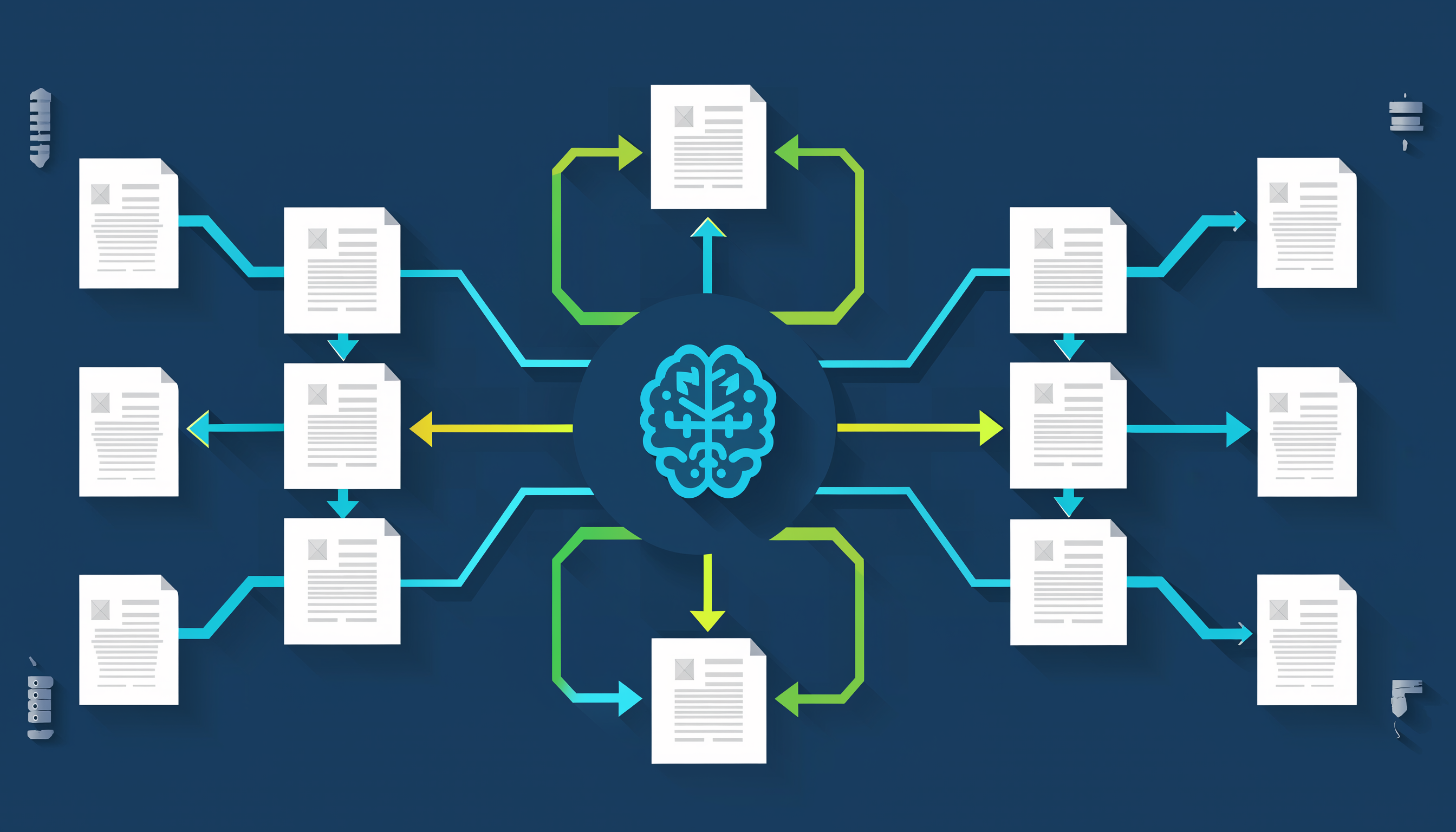
Most small businesses don't have a technology problem — they have a knowledge flow problem. Here's what tribal knowledge is quietly costing you and a practical path to fixing it.
Tribal knowledge is the information that lives inside people's heads instead of your systems. It's the reason onboarding takes months instead of weeks, why certain problems only get solved by certain people, and why a key team member leaving feels like a crisis.
What tribal knowledge looks like in practice
It shows up in four patterns most SMBs will recognize immediately:
- The single point of failure — one person who knows how something works, and when they're out, things stall
- The undocumented process — a workflow that "everyone knows" but nobody can actually describe step by step
- The inbox as a system — critical decisions and approvals buried in someone's email thread
- The verbal handoff — instructions passed by conversation with no record, no consistency, no way to verify
Each of these feels manageable in isolation. Together, they compound into something that quietly limits how far your business can grow.
The hidden cost
The damage isn't always visible on a balance sheet, but it shows up in three consistent ways. First, rework — when knowledge isn't shared, people recreate work that already exists or make decisions based on incomplete information. Second, slow onboarding — new team members spend months piecing together context that could have been handed to them on day one. Third, inconsistency — customers and clients experience different versions of your service depending on who they interact with.
None of these are dramatic failures. They're slow leaks. And slow leaks are expensive over time.
Why knowledge bases fail
The instinct when faced with tribal knowledge problems is to build a knowledge base. That instinct is right — but the execution usually goes wrong in the same way every time.
Teams dump everything into a shared drive or wiki without structure. The content grows but the organization doesn't. Within months, searching for information takes as long as just asking someone directly. The system gets abandoned, and the problem returns.
Structure isn't a nice-to-have in a knowledge system. It's the whole product.
A practical four-step approach
This isn't a technology project. It's an operations project that technology supports.
Start with your top 25. Identify the 25 questions your team asks most often and the 25 processes that cause the most friction. These become your first knowledge base entries — not because they're the most important, but because they have the highest daily impact.
Establish one source of truth per topic. Every process, policy, and recurring decision needs a single authoritative home. Not a document per person. Not a folder per team. One place, maintained by one owner.
Fix the structure before you fix the content. A well-organized system with incomplete content is far more useful than a complete system with no organization. People can add to structure. They can't navigate chaos.
Make it accessible where work actually happens. A knowledge base nobody opens is a filing cabinet. The best systems are embedded in the tools your team already uses — linked from project management, surfaced in chat, referenced in onboarding flows.
The readiness check
Before investing time in a knowledge system, work through these:
- Do you know which five processes cause the most repeated questions?
- Is there one person (or one small team) who owns knowledge management?
- Have you agreed on what "maintained" looks like — who updates it, and when?
- Do you have a way to measure whether people are actually using it?
If the answers are unclear, that's where to start — not with the tool.
The payoff
Teams that get knowledge flow right don't just onboard faster and make fewer mistakes. They build a business that can grow without depending on any single person's presence. That's the real return: not just operational efficiency, but resilience.
Keep exploring
Read Why AI Knowledge Bases Fail Without Structure and RAG in Plain English to continue this series, or browse all posts →.