The first post on this blog wasn't written by me
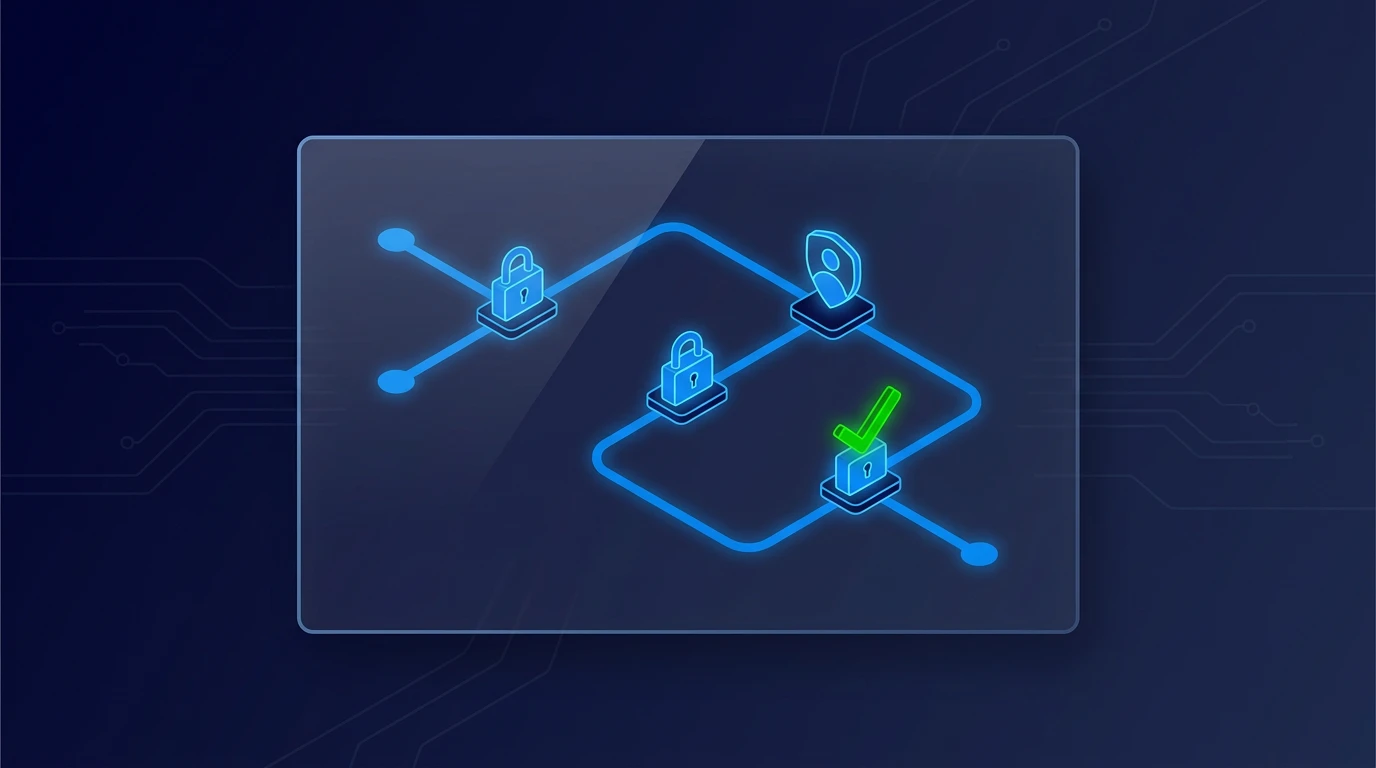
Most of what gets called "AI automation" is a single prompt and a reply. That is a chatbot. A real pipeline has structure: discrete steps, quality checks, and a human at the end before anything ships.
This post is the first output of one such pipeline. I shipped it this week. The workflow you are reading about wrote the words you are reading now.
What good AI automation actually looks like
Good automation has shape. It runs as steps in order. Each step does one job. Each step can fail without breaking the others. The output of one step feeds the next.
None of it is exciting. That is the point. The boring parts are what let the system run without surprising you.
Practical, not magical.
Yes, this post was written by the workflow it describes
The workflow took a topic. It read the brand rules from this repository. It picked an existing hero image because a strong match already existed. It drafted the body. It checked itself against a contract: front matter, heading levels, word count, banned words. It opened a pull request.
Then I read it. I made small edits. I approved it.
That last step is not optional.
A 13-step pipeline, not a chatbot
The pipeline runs inside Archon, the AI orchestration platform we use to build customer workflows. It runs as 13 discrete steps. Classify the input. Extract source material. Plan the post. Choose a category. Pick or generate a hero image. Draft the body. Validate the contract. Run a tone review. Stage the file. Open the pull request. Plus a few glue steps that wire it all together.
Each step has one job. Each step writes its output to the next. Each step can fail loudly without taking the rest of the system down.
One job per step. That is the rule.
Quality gates and a human at the end
The pipeline checks itself before it ever asks me to look. The validator reads the front matter, the heading levels, the image path, the word count, and the banned-word list. If anything is wrong, the run stops. No draft. No pull request. No notification.
When everything passes, the pipeline opens a PR with the draft and a rendered preview. I read it. I approve, edit, or reject. Nothing reaches the public site without me.
Automated where it should be. Manual where it must be.
What this could look like in your business
A 12-person accounting firm gets 40 client emails a day asking for the same five things. A pipeline can read each email, classify it, draft a reply from the right template, attach the right document, and put it in a "ready to send" queue. The partner reviews 40 drafts in 20 minutes instead of writing 40 replies in three hours.
Different inputs. Different outputs. Same shape. Same human gate.
You do not need a 13-step workflow on day one. You need one workflow with one quality gate and one approver. Start there.
Keep exploring
If you want to see what a pipeline like this could do for the repetitive work in your business, start a conversation with us. We will look at one process together and tell you whether it is a good candidate for automation, or whether you are better off leaving it alone.